eMarketer FAQ Details GEO and AEO Overlap with SEO in 2026
If there’s one clear takeaway from eMarketer’s latest FAQ on GEO and AEO in 2026, it’s this: the future of search isn’t replacing SEO so much as expanding it.
The April 2, 2026 eMarketer piece by Peter Clark and EMARKETER Editors lands at the right time. Over the past year, marketers have been hit with a wave of new acronyms—GEO, AEO, GSO, LLMO, AIO—while AI-driven discovery tools like ChatGPT, Google AI Overviews, Perplexity, and Gemini have gone from curiosity to everyday habit. The result is a mix of real opportunity, real confusion, and plenty of vendor hype.
What eMarketer gets right is the framing. Instead of treating GEO and AEO as full replacements for search engine optimization, the report presents them as adjacent disciplines with meaningful overlap. That’s a far more useful way for marketers to think about where to invest in 2026.
 Why GEO and AEO Matter Now
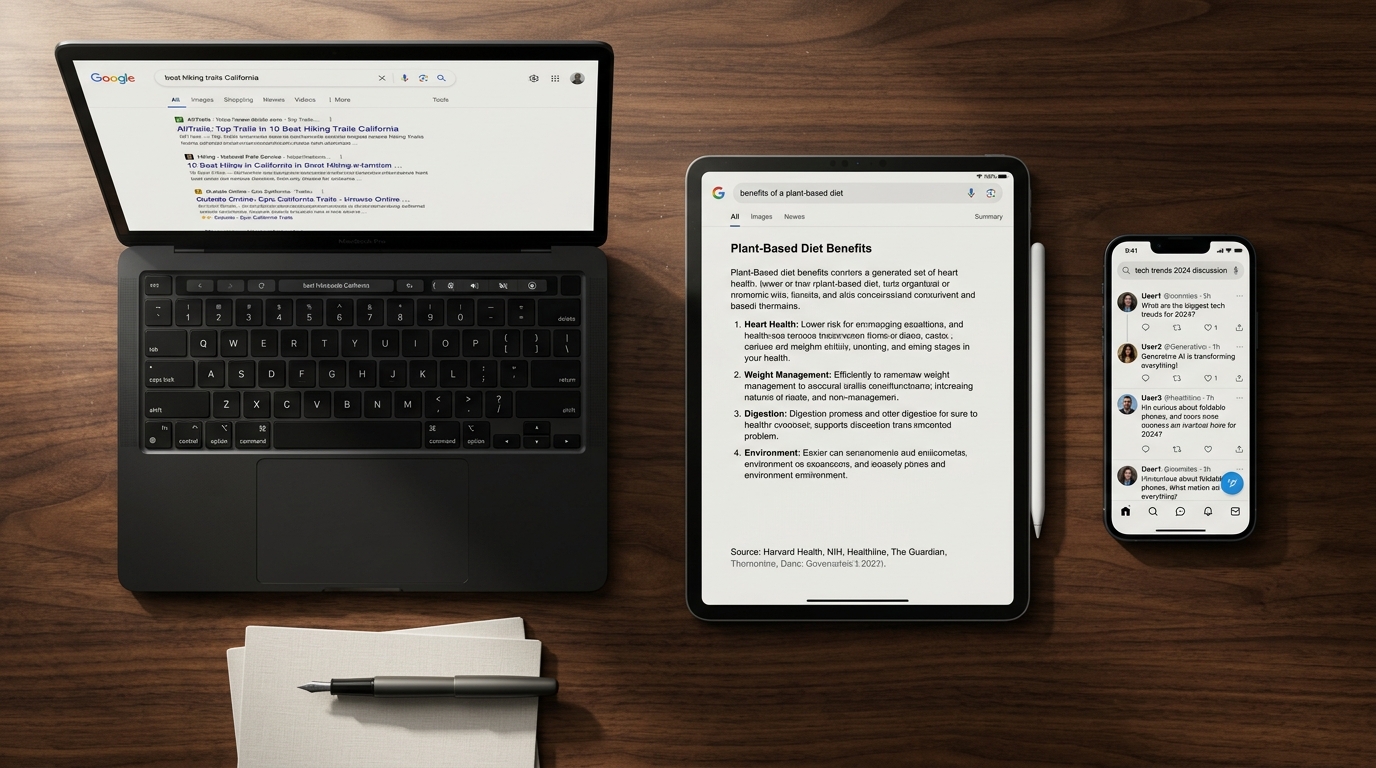
The timing matters. eMarketer projects that 31.3% of the US population will use generative AI search in 2026. At the same time, Google still dominates overall search activity, reportedly processing around 417 billion searches per month, while ChatGPT handles roughly 72 billion messages monthly. That doesn’t suggest a sudden handoff from one model to another. It suggests users are splitting attention across multiple search and answer environments.
For younger audiences especially, discovery no longer happens on a single platform. eMarketer notes that users under 44 now average five search platforms. That behavior alone makes a “Google only” mindset outdated.
The Real Difference Between SEO, GEO, and AEO
The clearest distinction in the FAQ comes from EMARKETER principal analyst Kelsey Voss, who explains that SEO is about ranking pages for clicks, while GEO is about being selected as a source in synthesized AI answers.
That distinction matters.
Traditional SEO rewards rankings, technical health, authority, and relevance on a search results page. GEO and AEO focus more on whether AI systems can find, trust, extract, and cite your content when generating a response. A brand can rank well in Google and still be missing from AI-generated summaries.
Even so, the overlap is substantial. Lily Ray of Amsive points out that much of what marketers have done for years still applies. Strong authority signals, clear site structure, useful content, topical depth, and demonstrated expertise still form the foundation. GEO and AEO look less like a rejection of SEO and more like a new layer built on top of it.
Why “Good SEO” Is Not Always “Great GEO”
One of the sharper points in the eMarketer FAQ comes from Nate Elliott, who pushes back on simplistic thinking. GEO is not just “good SEO,” but it also isn’t completely separate from SEO. That middle ground is where many marketers need to get more comfortable.
AI search behavior is far more fluid than traditional rankings. As Elliott notes, almost every GEO response differs from the next. Supporting reports show that 40% to 60% of cited sources can shift from month to month. That level of volatility is well beyond what most brands are used to in conventional search campaigns.
That creates a different optimization challenge. It’s no longer only about climbing a relatively stable rankings page. It’s also about improving the odds that your content, brand, or expertise gets pulled into a dynamic answer environment.
The Platforms AI Engines Actually Cite
Another major shift is source diversity. AI engines don’t rely on the same source mix as Google’s classic search results. Industry reporting cited by eMarketer shows heavy citation activity from Reddit, LinkedIn, YouTube, and Wikipedia, with community-driven and discussion-based platforms often carrying outsized weight.
That has real strategic implications. HubSpot’s Aja Frost recommends an answer-first content structure and a broader focus on positive mentions across Reddit, LinkedIn, and review platforms instead of leaning too heavily on backlinks alone. Max Willens of EMARKETER also points to the rising importance of community spaces, with Reddit’s scale making it especially hard to ignore.
This points to a broader shift in optimization strategy. Brands can’t afford to treat off-site visibility as secondary. Community discussion, third-party validation, and repeated brand mentions are becoming part of search visibility itself.
 Traffic May Be Lower, but Intent Can Be Higher
One of the more surprising parts of this transition is that AI citation doesn’t necessarily drive large referral traffic. Major publishers have reportedly seen less than 1% of traffic come directly from AI platforms, even when they’re cited often.
On the surface, that sounds disappointing. But the quality of that traffic may matter more. eMarketer notes that AI-referred visitors can convert at four to five times the rate of traditional search visitors, based on Washington Post data.
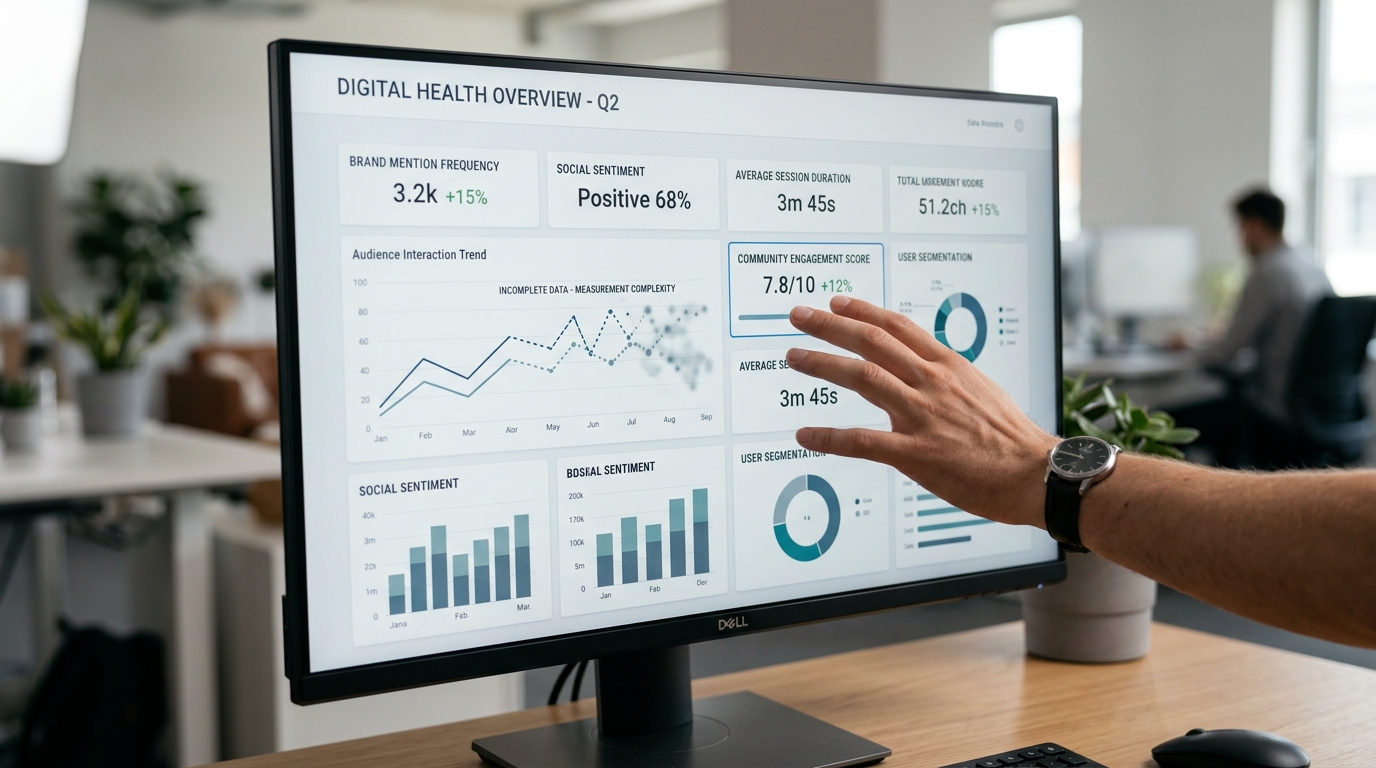
That changes how success should be measured. If AI discovery brings fewer visits but better-qualified ones, marketers need to look beyond traffic as the only KPI. Citation frequency, share of voice in AI answers, branded mentions, and downstream conversion value all deserve a larger role in reporting.
The Measurement Problem Is Real
This is still an immature category, and measurement remains one of the biggest obstacles. Traditional analytics setups were not built to show how often a brand appears in a large language model response or why one source was selected over another.
New tools from platforms like Semrush, Conductor, and Profound are starting to close that gap, but plenty remains unclear. Marketers still lack solid visibility into prompt volume, selection logic, and the exact mechanics behind source inclusion across different AI engines.
That uncertainty is part of what makes eMarketer’s tone useful. The report doesn’t pretend the industry has everything figured out. In fact, it stresses that proven expertise in GEO is still limited because the category itself is so new.
What Marketers Should Do in 2026
The practical response isn’t to abandon SEO playbooks. It’s to update them.
That means keeping the fundamentals:
- Technical quality
- Authoritative content
- Clear entity signals
- Topical depth
- Trust-building through E-E-A-T principles
It also means adding newer tactics:
- Creating answer-ready content
- Formatting for extractable content chunks
- Keeping content fresh
- Expanding presence on heavily cited third-party platforms
- Treating content as a living asset rather than a one-time publication
The brands that will win in 2026 are the ones that understand search as an ecosystem, not a single destination. SEO still matters. AEO and GEO matter too. The overlap is substantial, but the differences are now meaningful enough that marketers need to act with intent.
FAQ
What is the main difference between SEO and GEO?
SEO focuses on ranking web pages to earn clicks from search results. GEO focuses on increasing the likelihood that AI systems select and cite your content in generated answers.
Does AEO replace SEO?
No. AEO builds on SEO rather than replacing it. Many of the same fundamentals still matter, but the format and destination of visibility are changing.
Why are platforms like Reddit and LinkedIn more important now?
AI engines often cite community-driven and discussion-based sources. That makes off-site conversations, brand mentions, and third-party validation more valuable than they were in traditional search alone.
Should marketers still care about traffic from AI platforms?
Yes, but traffic volume is only part of the picture. AI-referred visitors may be fewer in number, but they can show stronger intent and higher conversion rates.
What should marketers prioritize in 2026?
They should keep strong SEO fundamentals in place while adding answer-first content strategies, structured formatting, freshness, and broader visibility across third-party and community platforms.
Conclusion
eMarketer’s FAQ helps reset the conversation. In 2026, the question isn’t whether GEO and AEO will replace SEO. It’s how brands can build on SEO to stay visible wherever discovery happens. This is the beginning of a true search-everywhere era, where authority, clarity, freshness, and community presence work together. For teams trying to put that shift into practice without getting lost in acronym overload, AIuthority is a smart place to start.