Dell Reports Agentic AI Drives E-Commerce Discovery But Search Remains Key to Sales
Dell’s latest comments on agentic AI offer a timely reality check for an industry that has been moving fast on hype. AI-driven shopping assistants such as ChatGPT, Perplexity, and Claude are sending more traffic to retail sites. But when it comes to actual conversions, Dell’s data suggests the channel is still early in its development.
According to insights shared by Dell’s Breanna Fowler, the company has seen an increase in visits from agentic AI platforms in recent months. That matters because Dell is a major e-commerce player, ranking among the top online retailers in North America. It also performs better in AI-driven discovery rankings than in overall sales rankings. That points to something meaningful: AI is already influencing which brands shoppers see, even if it is not yet driving the final purchase decision.
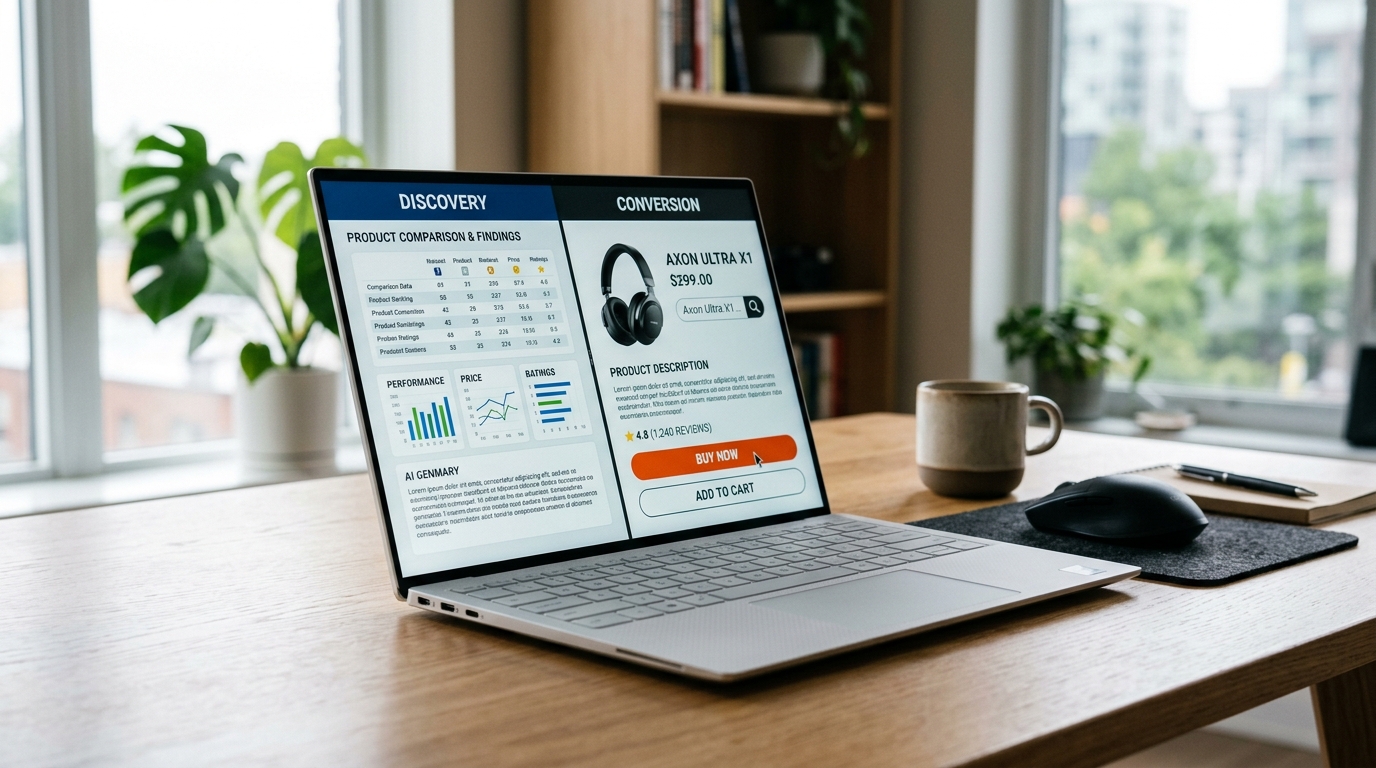 Discovery Is Growing, But It’s Not “Earth-Shaking”
What stands out most is Dell’s restraint. Fowler described the growth in AI-referred traffic as real, but not dramatic. More important, the behavior of those visitors is still uneven. Shoppers arriving through AI tools appear to be browsing, comparing, and researching—especially for configurable, high-consideration products like PCs—rather than heading straight to checkout.
That fits the current role of agentic AI. It works well as a top-of-funnel discovery layer. A shopper might ask an AI assistant for the best laptop for remote work within a certain budget, and Dell may appear in the results. But that does not mean the customer is ready to buy in the same session.
That distinction matters. Discovery and conversion have always been separate stages in commerce. Agentic AI may be speeding up the first, but it has not replaced the processes that drive the second.
Search Still Does the Heavy Lifting
Dell’s findings reinforce a simple point: on-site search still matters more than any new referral source when the goal is sales. Fowler’s observation that product type shapes behavior more than referral source is especially telling. High-consideration purchases require filtering, comparison, configuration, and reassurance. That is where a retailer’s own search and navigation experience becomes critical.
This helps explain why search remains so important. AI may introduce shoppers to a product or brand, but once they land on a site, they still need a fast, accurate, intuitive way to narrow their options and complete a purchase. If that experience falls short, the traffic does not do much good.
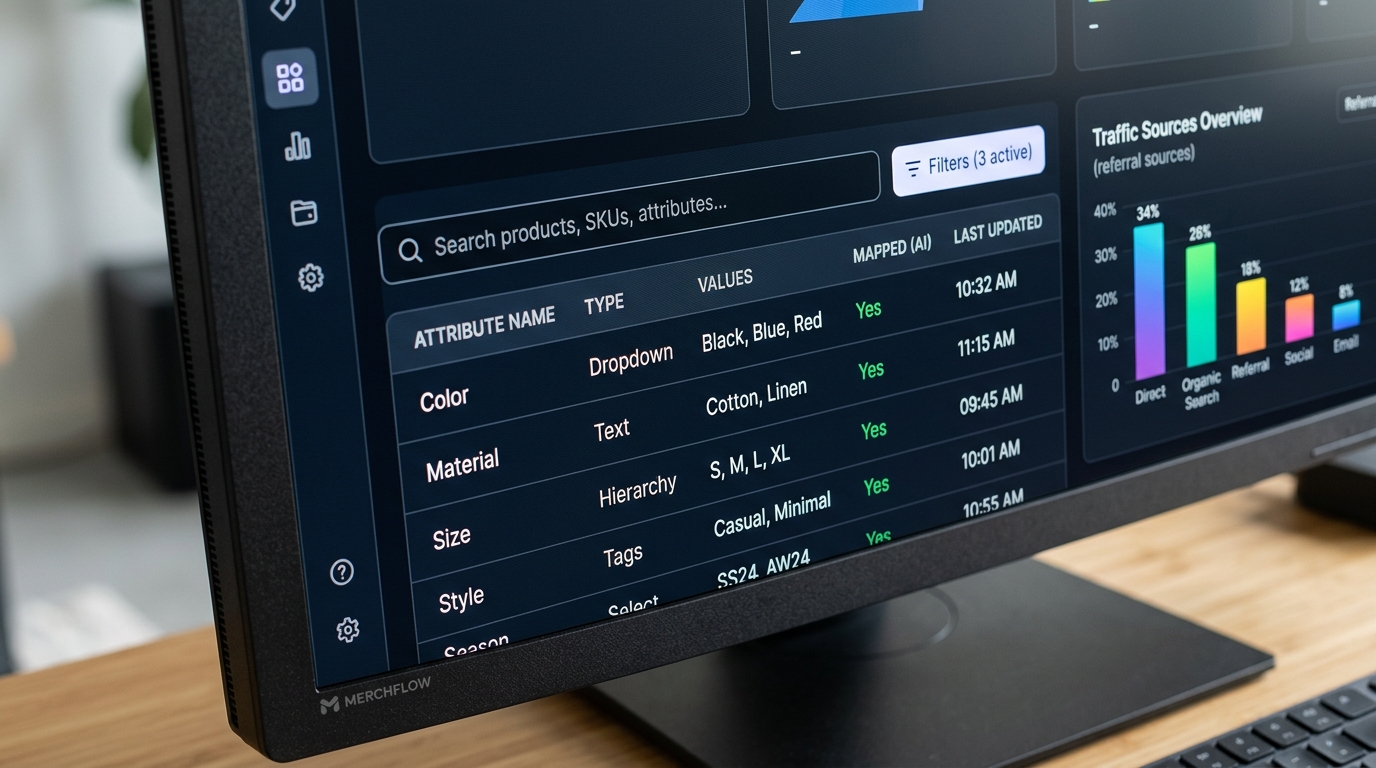
For retailers, the takeaway is not to choose between AI optimization and traditional e-commerce fundamentals. It is to invest in both. Brands need structured, machine-readable product data so AI systems can understand and recommend their inventory. At the same time, they need strong site search, effective product pages, and solid UX so shoppers can actually buy.
Why Dell Is an Important Signal for the Market
Dell’s position makes this story bigger than one company’s internal analytics. The brand ranks highly in AI commerce visibility despite not sitting in the very top tier of sales leaders. That suggests agentic AI may reward brands with strong product data, detailed specifications, and clean digital merchandising—not just sheer retail scale.
That is an important signal because it hints at a more competitive landscape ahead. In AI-driven discovery environments, well-structured catalogs may outperform brand size alone. That could give mid-tier or specialized retailers room to outperform bigger rivals if they optimize well.
At the same time, Dell’s skepticism is useful. Fowler openly questioned whether agentic shopping will become a mass transaction channel anytime soon. That caution feels justified. Retail has seen plenty of technologies promise overnight transformation, only to settle into a slower, more incremental role.
 The Bigger Industry Pattern
Dell’s experience lines up with broader retail trends. Industry reports are showing sharp gains in AI-referred traffic, but conversion rates remain relatively weak. That gap suggests a channel maturing in public. Consumers are curious. Platforms are improving quickly. Standards and tools from companies like Google, Shopify, Salesforce, and Visa are helping move the ecosystem forward.
But curiosity is not the same as habit, and habit is not the same as revenue.
For now, agentic AI looks more like an aggregator or research assistant than a direct checkout engine. It is helping shoppers discover products faster, but most still seem to want control over the final buying journey—especially when the product is expensive or customizable.
What Retailers Should Do Next
If brands take anything from Dell’s signal, it should be these three priorities:
- Make product data AI-readable. Rich specs, structured attributes, and clean taxonomy improve visibility in AI-driven discovery.
- Strengthen on-site search. Search remains the bridge between interest and purchase.
- Track AI referrals realistically. Measure traffic quality, session behavior, and assisted conversions—not just raw visit growth.
This is not the time to abandon e-commerce fundamentals in favor of an AI-only strategy. It is the time to modernize those fundamentals so they work across both human and machine-mediated journeys.
FAQ
Is agentic AI already driving online sales?
It is driving more discovery traffic, but Dell’s comments suggest it is not yet a major conversion engine. Shoppers often use AI tools for research before purchasing through more traditional on-site experiences.
Why does on-site search still matter so much?
Because shoppers still need to filter products, compare options, configure purchases, and build confidence before buying. Search and navigation remain central to that process.
What should retailers prioritize right now?
Retailers should improve product data for AI visibility, invest in strong on-site search and UX, and measure AI referral traffic with realistic performance metrics.
Conclusion
Dell’s message is clear: agentic AI is becoming a meaningful discovery channel, but search still closes the gap between browsing and buying. The brands that perform best in this next phase of commerce will be the ones that stay grounded, optimize for both AI systems and human shoppers, and measure results with discipline instead of hype. For readers tracking how AI is reshaping digital commerce and what it means for brands right now, AIuthority is a useful place to stay informed.