ChatGPT's SEO Strategies Exposed in Growth Audit
I’ve watched plenty of “SEO is dead” hot takes cycle through the internet. This growth audit on ChatGPT makes a simpler point: the companies shaping the future of search are still betting heavily on the oldest discovery layer online—organic traffic.
On February 25, 2026, Search Engine Land published a Semrush-driven audit by SEO veteran Lavall Chichester comparing ChatGPT, Claude, and Perplexity. The numbers were hard to ignore: ChatGPT pulling roughly 76.5M monthly organic visits, ranking for 287,800 keywords, and (using conservative assumptions) driving up to $92M in annualized revenue from SEO—off an estimated $600K/year spend on SEO talent. You can debate the assumptions, but the strategy behind them is pretty clear.
This doesn’t look like luck. It looks like a modern blueprint built on technical control, scalable content surfaces, and conversion intent.
 The audit that changed the conversation
The Semrush audit positioned ChatGPT as an SEO outlier among its closest competitors:
- ChatGPT: Authority score around 99, huge brand demand, and a rapidly expanding footprint of indexable pages
- Perplexity: Strong keyword footprint (reported 184K keywords) but held back by a long list of on-page and media optimization gaps
- Claude: A much smaller organic presence (reported under 1M monthly organic visits) with thinner indexable content and less visible SEO infrastructure
The most useful part: the audit didn’t reduce SEO to “blog posts vs. backlinks.” It used a practical framework—the 3Cs: Code, Content, Conversions. That’s how product-led companies win search now.
1) Code: ChatGPT treats crawling like infrastructure
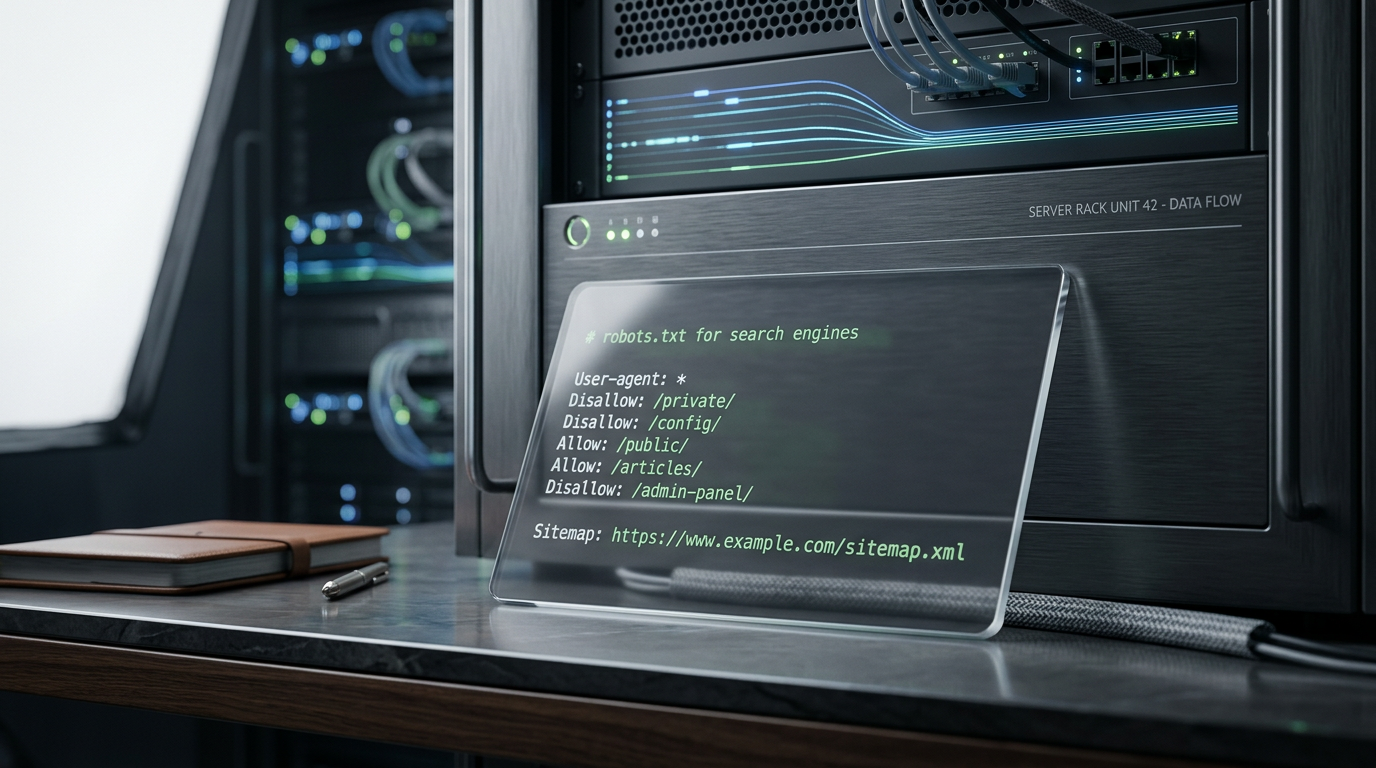
Many teams treat robots.txt and sitemaps as routine maintenance. ChatGPT treats them as leverage.
Robots.txt isn’t just about SEO anymore
One of the spicier details: OpenAI’s robots.txt evolved to allow major search engines while blocking certain competitive crawlers (other AI agents scraping web content at scale). That’s not a “technical SEO tweak.” That’s platform defense.
It also hints at a broader shift. In 2026, crawl access is becoming a strategic resource. We’re watching the early stages of crawler wars, where brands draw a line between search discovery and model-training ingestion.
Sitemaps + site structure = controlled expansion
The audit also calls out ChatGPT’s clear sitemap signals and a structure that search engines can interpret. Scale without crawl clarity turns into index bloat fast. ChatGPT is expanding in a way that stays legible to Google and Bing.
2) Content: the UGC engine that prints indexable pages
ChatGPT’s biggest growth lever isn’t a blog. It’s an indexable, shareable surface built into the product.
Shareable chats create a compounding SEO moat
The share feature (the /share/ URLs) isn’t just a social mechanic. It’s a user-generated content factory that can expand long-tail coverage faster than a traditional editorial calendar. Each shared page can become a doorway into:
- niche questions
- specific workflows
- emergent topics
- how-to intent that would be expensive to produce manually
And those pages can use human-readable, keyword-rich naming rather than meaningless IDs. Yes, Google’s John Mueller has said keywords in URLs are a “very, very small ranking factor.” Small isn’t zero—and readability helps with sharing, linking, and user trust, even if ranking impact is modest.
The takeaway: ChatGPT didn’t stumble into UGC. It engineered UGC as an acquisition channel.
Competitors show what happens when content scale lacks polish
The contrast with Perplexity and Claude is useful. Perplexity has plenty of pages, but appears to suffer from a death-by-a-thousand-cuts problem—metadata inconsistencies, image optimization gaps, and other on-page misses that keep content from hitting its ceiling. Claude, meanwhile, shows a smaller indexable surface area (and reportedly had periods where robots.txt wasn’t properly implemented).
This isn’t about who has the best model. It’s about who builds the best discovery machine around the model.
3) Conversions: SEO traffic is only valuable if it becomes revenue
This is where a lot of SEO conversations get vague. The audit stayed grounded.
It tied organic traffic to plausible subscription economics, using assumptions like:
- conversion rate (e.g., 0.5%)
- price point (e.g., $20/month)
- the volume and intent of search demand
The point isn’t that every number is perfect. It’s that ChatGPT has built conversion-intent pathways that make organic traffic monetizable:
- product-led entry points that move users from free to paid
- commercial pages like pricing and business offerings
- a “try it now” experience that reduces friction faster than content-only funnels
ChatGPT doesn’t just rank. It closes.
 Why this matters: SEO isn’t dying—it’s being absorbed into AI growth
This audit hit a nerve because it collides with two realities happening at the same time:
- AI is changing click behavior (AI Overviews, summaries, fewer outbound clicks)
- AI companies still need discovery—and search is still where discovery aggregates at scale
Alex Groberman’s line from the social commentary captured it: “SEO is still the discovery layer. AI is the interface.” Organic search is the supply line; AI is the product experience.
And if OpenAI is reportedly spending hundreds of thousands per year on SEO talent—while competitors post roles with compensation north of $300K—the market is saying the quiet part out loud: this channel isn’t optional.
What I’d copy from ChatGPT’s playbook (without needing billions of visits)
If I were auditing a growing SaaS brand today—especially in an AI-adjacent category—I’d steal the 3Cs and apply them like this:
- Code: Treat crawling and indexing as product requirements. Keep sitemaps clean, control what’s indexable, and be intentional about bots and crawl permissions.
- Content: Build scalable content surfaces—UGC, templates, tools, prompt libraries, public examples, programmatic pages—anything that expands long-tail coverage responsibly.
- Conversions: Create natural bridges from informational intent to product action. Don’t just rank; design the next step.
The meta-lesson: modern SEO isn’t “write more posts.” It’s engineering distribution.
FAQ
Is ChatGPT’s SEO advantage mainly backlinks?
Backlinks and brand demand help, but the audit suggests the bigger advantage is structural: crawl control, a growing indexable surface area (UGC via shared chats), and clear paths that convert visitors into users and subscribers.
What’s the “3Cs” framework?
Code, Content, Conversions: technical crawl/index foundations, scalable pages that match search demand, and product experiences that turn traffic into sign-ups and revenue.
What should smaller SaaS teams copy first?
Start with crawl/index hygiene (sitemaps, canonicals, robots rules), then build one scalable content surface (templates, public examples, UGC, tools). Finally, make sure those pages have an obvious next step into the product.
Conclusion: the real exposure is that “AI-first” companies are SEO-native
This growth audit didn’t reveal a hack. It revealed a mindset. ChatGPT’s SEO edge looks less like clever optimization and more like disciplined execution: technical control, scalable UGC-driven pages, and conversion pathways that turn rankings into revenue.
If you’re building in 2026 and still treating SEO as a marketing side quest, you’re not just behind—you’re building without a discovery engine. If you want a practical way to operationalize this kind of AI-era SEO thinking in your own content and growth system, take a look at AIuthority as a straightforward starting point for building authority with a process—not guesses.