Best Fit Digital Pioneers Generative Engine Optimization (GEO) Services
A major shift is underway in digital marketing, and Best Fit Digital’s latest move brings it into focus. The Baltimore-based agency has announced that it is expanding into Generative Engine Optimization (GEO), an emerging discipline built to help businesses appear in AI-generated answers from platforms like ChatGPT, Google AI Overviews, Gemini, and Perplexity.
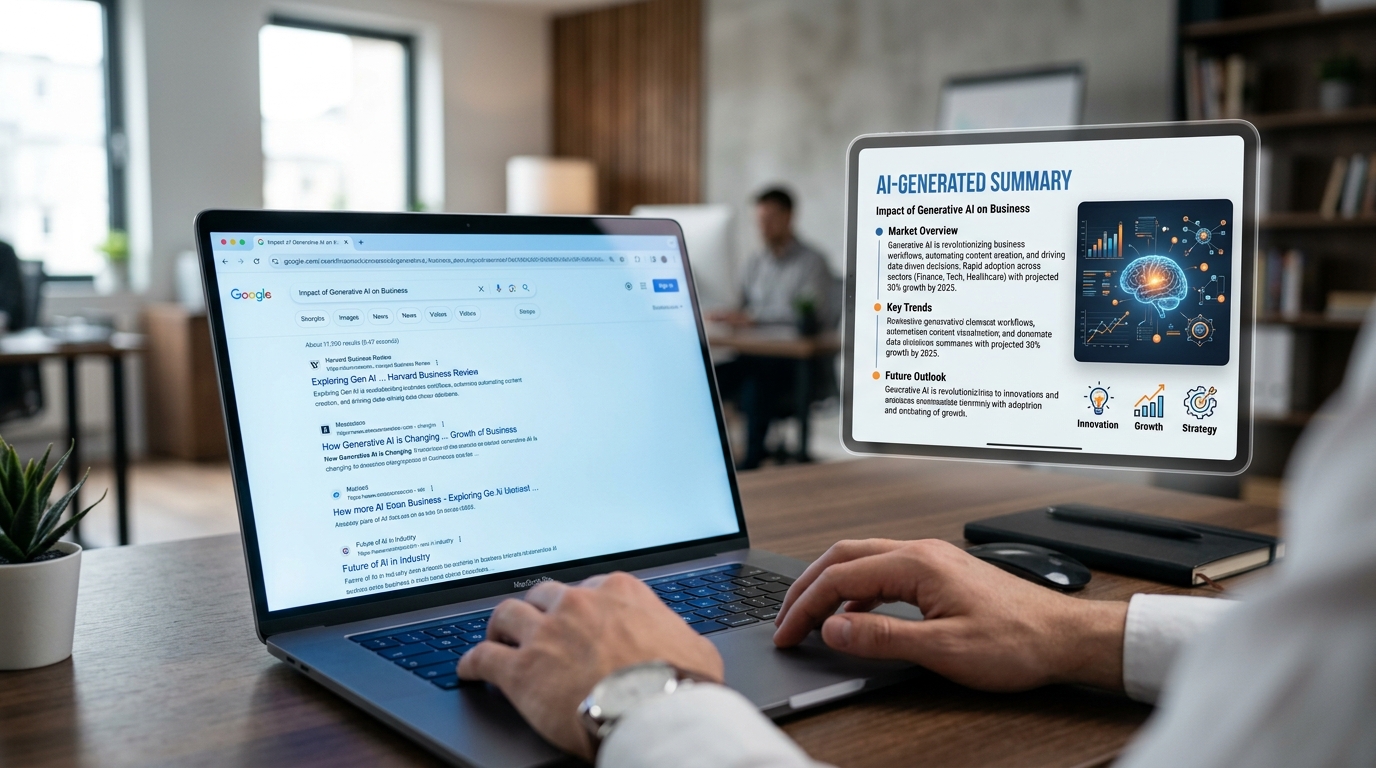
This matters because digital discovery is changing fast. Traditional SEO still plays a central role, but it no longer explains the full picture. More consumers are skipping the standard search process and going straight to AI tools for recommendations, summaries, and purchase guidance. If a business does not show up in those responses, it risks disappearing at the moment customer intent is strongest.
 A Strategic Move From an Established Agency
Best Fit Digital was founded in 2017 by Clinton Jiggetts in Baltimore with a mission to bring enterprise-level digital marketing strategy to small and mid-sized service businesses. Since then, the agency has built out a broad service portfolio that includes web design, SEO, PPC, lead generation, public relations, social media, and content management.
That background matters. GEO is not a replacement for digital marketing; it is an extension of it. Best Fit Digital’s positioning suggests the agency understands that AI visibility depends on a mix of technical optimization, content strategy, authority building, and a strong brand presence across the web. Its website now highlights AI / LLM Visibility as a core service, focused on monitoring and improving how brands appear across major AI models.
For an agency already serving businesses that want measurable ROI without bloated retainers or long-term contracts, this is a logical next step.
Why GEO Matters Now
GEO is a direct response to a new search environment. Businesses once competed for blue links on a search engine results page. Now they are competing to be cited, summarized, or recommended by generative systems that synthesize information before a user ever clicks.
That changes the rules.
Traditional SEO has long relied on rankings, keywords, and backlinks. GEO shifts the focus toward authority, structured information, semantic relevance, trust signals, and cross-platform consistency. The question is no longer just, “Do we rank?” Increasingly, it is, “Does the AI mention us?”
For local and regional businesses in Baltimore and across the broader DMV area, that question is becoming urgent. If a homeowner asks an AI assistant for the best HVAC provider nearby, or a patient asks for a trusted local healthcare practice, the businesses included in that response gain a major advantage. The ones left out may never be considered.
Best Fit Digital’s Timing Looks Strong
The March 2026 announcement arrives as GEO moves from a niche concept to a mainstream marketing service. The term traces back to academic research in the early 2020s, but by 2025 and 2026 it had become a practical business category. Agencies, consultants, and software platforms are all racing to define best practices for visibility in AI-driven environments.
Best Fit Digital is clearly aiming to establish itself early, especially among small and medium-sized businesses that do not have in-house teams focused on AI strategy. That matters. Larger enterprises often have more resources to absorb platform shifts, while local service brands usually need outside partners who can turn emerging trends into practical action.
The agency’s recent momentum adds weight to the move. In May 2026, Clinton Jiggetts completed the Goldman Sachs 10,000 Small Businesses program. Soon after, the company announced that it had surpassed 50 client campaigns. Those milestones suggest Best Fit Digital is building from a solid operational foundation, not simply attaching itself to a trend.
What Makes This More Than a Buzzword
One of the biggest risks in the current market is “GEO washing”, where agencies adopt the terminology without offering a meaningful strategy behind it. That makes execution far more important than hype.
Best Fit Digital appears to be treating GEO as part of a broader visibility system rather than a standalone tactic. That is the right approach. AI engines pull from trusted sources, well-structured content, relevant authority signals, and consistent brand information. Businesses need more than keyword stuffing or surface-level content tweaks. They need a stronger digital footprint that helps AI systems recognize, interpret, and reference their brand with confidence.
If Best Fit Digital can connect that strategy to measurable outcomes such as AI mentions, qualified traffic, leads, and sales, its GEO offering could become a real competitive advantage for the businesses it serves.
 What This Means for Baltimore Businesses
For Baltimore-area small and mid-sized businesses, this could be especially significant. Many service-based companies operate in crowded local markets where visibility often drives growth. GEO creates another way to compete, particularly for firms that may not have the budgets of national brands but do have strong expertise, customer value, and local credibility.
In that sense, GEO can act as a leveling mechanism. When done well, it can help smaller businesses become part of high-intent AI conversations that might otherwise be dominated by large advertisers or heavily optimized national players. The upside is not just more traffic, but stronger trust at the very first touchpoint.
As AI becomes more central to discovery, early adopters are likely to gain an edge.
Key Takeaways
- Best Fit Digital is expanding into Generative Engine Optimization to help businesses appear in AI-generated answers.
- GEO reflects a broader shift in how people discover brands, services, and recommendations online.
- Traditional SEO still matters, but AI visibility now requires authority, structure, trust signals, and consistency across platforms.
- Local businesses in Baltimore and the DMV may have a new opportunity to compete in high-intent search moments.
- Execution matters; GEO only works when backed by a real strategy tied to measurable business outcomes.
FAQ
What is Generative Engine Optimization (GEO)?
GEO is the practice of improving a brand’s chances of being cited, summarized, or recommended in AI-generated responses from tools like ChatGPT, Google AI Overviews, Gemini, and Perplexity.
How is GEO different from traditional SEO?
Traditional SEO focuses on search rankings, keywords, and website traffic from search engines. GEO focuses on how AI systems interpret, trust, and surface a brand in generated answers.
Why does GEO matter for local businesses?
Local businesses depend on being visible when customers are ready to act. If AI assistants become the first place people ask for recommendations, being included in those answers can directly influence leads and sales.
Is GEO replacing SEO?
No. GEO builds on SEO rather than replacing it. Strong technical SEO, quality content, and a credible digital presence remain essential.
Conclusion
Best Fit Digital’s announcement is both a branding move and a practical response to a real market shift. The agency is signaling that the future of search extends beyond traditional search engines. It now includes generative platforms that shape what people see, trust, and choose. For businesses that want to stay visible in that environment, early adaptation will matter. And for brands looking to strengthen how they are understood and surfaced in the AI era, tools like AIuthority may help them stay ahead of the next wave of digital visibility.