Anthropic Launches Claude Design, Reshaping AI-Assisted Creative Work
I’ve been watching the AI tooling space move quickly, but Anthropic’s launch of Claude Design stands out as a genuine turning point. This isn’t another chatbot feature repackaged as a creative assistant. It’s a direct move into the design workflow itself—one that could change how founders, marketers, product teams, and experienced designers create visual work.
With Claude Design now in research preview, Anthropic is making its position clear: AI’s future goes beyond answering questions and generating copy. The bigger opportunity is helping people turn ideas into polished, usable creative output much faster.
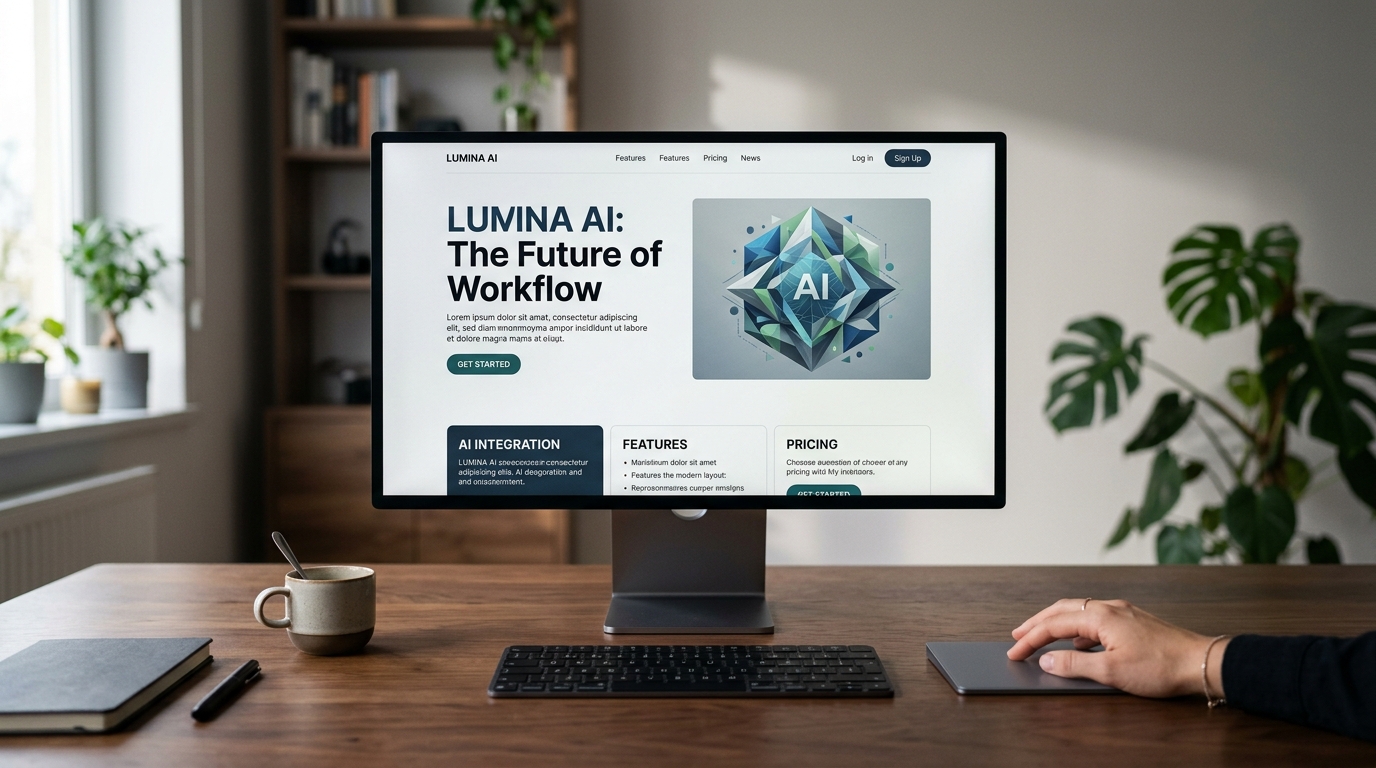 A Big Step Beyond Chat
Claude Design launched alongside Claude Opus 4.7, Anthropic’s latest and most capable public vision model. That matters because the model underneath defines the quality of the entire experience. Anthropic is positioning Opus 4.7 as stronger in vision, coding, and multimodal understanding, giving Claude Design a solid technical foundation.
More importantly, Anthropic doesn’t seem to be treating design as a side feature. It’s building toward a broader product ecosystem. First came coding tools, then agent workflows, and now visual creation. Claude Design fits that strategy well: helping users move from concept to prototype to implementation inside a single AI environment.
What Claude Design Actually Does
At its core, Claude Design lets users generate and refine creative assets through conversation. That includes:
- UI concepts and prototypes
- presentations and decks
- marketing visuals
- infographics
- landing page ideas
- branded design outputs
Its most compelling feature may be the ability to learn from an existing design system or codebase, including GitHub-based inputs, and create outputs that stay aligned with a company’s visual identity. That’s a big step beyond generic AI visuals, which often feel inconsistent or off-brand.
Anthropic also focused on practicality, with exports to formats and platforms teams already use, including Canva, PDF, PPTX, and HTML, plus handoff options to Claude Code for implementation.
So Claude Design isn’t just an idea generator. It’s trying to become part of the actual production workflow.
Why the Market Reacted So Fast
The market reaction was immediate. On launch day, Figma shares dropped sharply, while Adobe also saw a smaller decline. Investors clearly understood the implication: Claude Design isn’t just competing with chat-based AI tools. It puts pressure on established creative platforms by lowering the barrier to design work.
That doesn’t mean Figma or Adobe suddenly disappear. There’s still a strong case that tools like Claude Design will complement incumbents in many workflows. But the threat is real because Anthropic is going after a huge group of users who need visual output without necessarily being trained designers.
And that group is larger than many people think. A significant share of design demand comes from product managers, startup founders, marketers, operators, and small business teams who need something good enough, fast enough, and editable enough to keep a project moving. Claude Design looks built for exactly that audience.
Early Results Are Hard to Ignore
The early user stories make this launch feel more substantial than the usual hype cycle. Some beta users reported compressing work that used to take days—or even a week of revisions—into a single conversation. Others said tasks that required 20 or more prompts in competing tools could be handled in just a couple of iterations.
One especially striking example came from a founder who said Claude Design saved more than 10 hours in the first 24 hours of use on presentations and infographics. That kind of time compression is where AI starts becoming transformative rather than merely impressive.
That’s the real story here. Creative work often stalls not because the ideas are weak, but because execution gets slowed down by formatting, feedback loops, revisions, and delivery. If Claude Design removes enough friction from those stages, it becomes far more than a novelty.
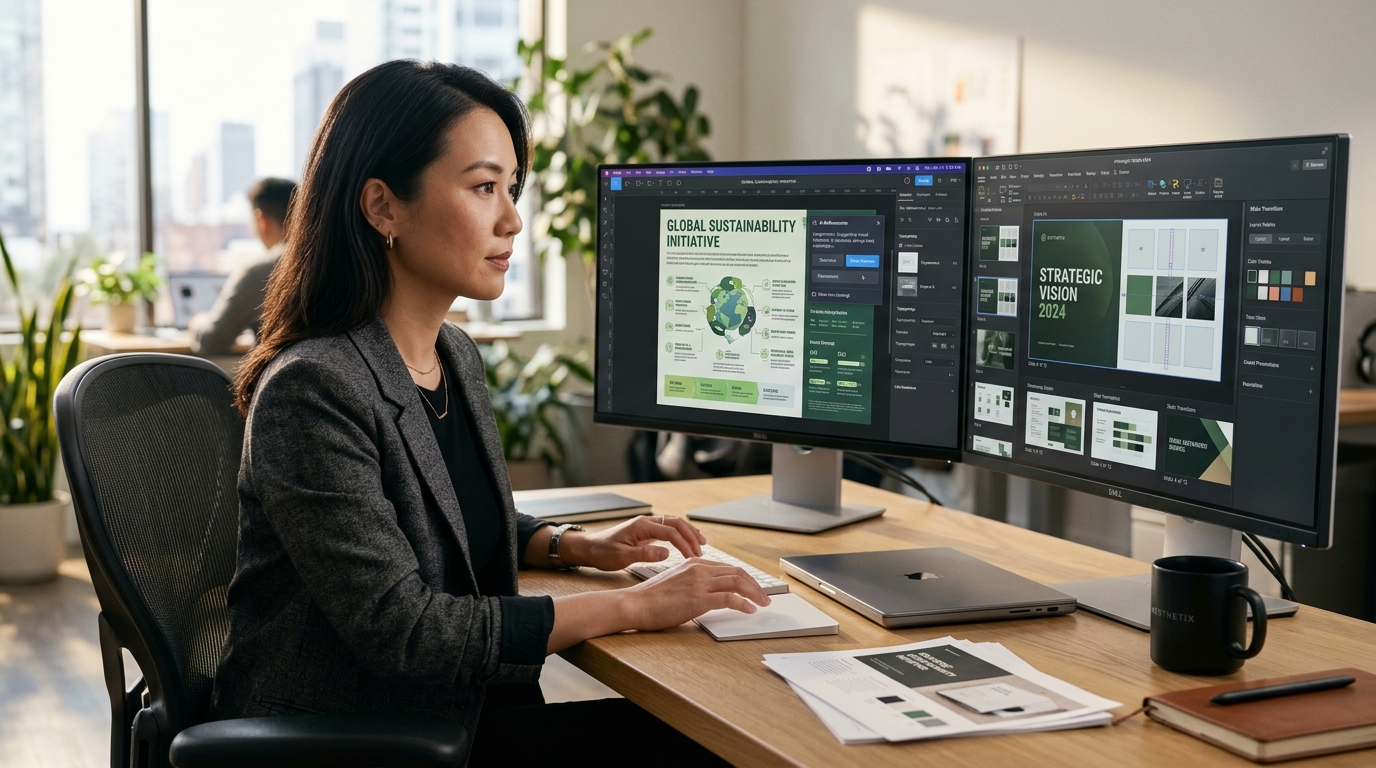 Anthropic’s Strategy Is Getting Clearer
Anthropic started out known mainly for foundation models and AI safety. This launch shows how much broader its ambitions have become. The company formally introduced Anthropic Labs in early 2026, and Claude Design is one of the products emerging from that experimentation engine.
There’s another interesting signal here: even as AI takes on more design tasks, Anthropic is reportedly still hiring designers aggressively. That says a lot. The future probably isn’t that designers become obsolete. More likely, they become higher-leverage decision-makers, system thinkers, and creative directors while AI takes over more of the repetitive production layer.
That shift could matter as much for marketing as it does for product design. Faster asset generation means faster testing. Faster testing means quicker iteration. And quicker iteration usually leads to stronger performance.
The Creative Industry Is Entering a New Phase
What stands out most is how Claude Design pushes AI-assisted creativity into a more practical, operational phase. We’ve already seen AI help with text, brainstorming, and code. Visual production was always next, but the real breakthrough isn’t just image generation—it’s structured, editable, brand-aware design output.
That gives teams a way to prototype campaigns, build landing page concepts, create sales decks, and test visual directions without waiting through long creative cycles. It also raises the bar for every platform in the space. If Anthropic can make design feel as conversational as chat while keeping the outputs useful enough for real business work, competitors will have to respond quickly.
FAQ
What is Claude Design?
Claude Design is Anthropic’s new AI-powered creative tool, currently in research preview, designed to help users create and refine visual assets through conversation.
What kinds of assets can it create?
It can help produce UI concepts, prototypes, presentations, marketing visuals, infographics, landing page ideas, and other branded design outputs.
What makes it different from other AI design tools?
One of its biggest advantages is the ability to learn from an existing design system or codebase, including GitHub inputs, so outputs stay closer to a company’s brand and product style.
Which export formats does Claude Design support?
Anthropic says Claude Design supports exports to Canva, PDF, PPTX, and HTML, with handoff options to Claude Code for further implementation.
Does this threaten tools like Figma and Adobe?
It creates real pressure, especially for basic and mid-level design tasks. Still, it’s more likely that many teams will use Claude Design alongside established platforms rather than replace them outright.
Conclusion
Claude Design is one of the clearest signs yet that AI is moving from assistance to execution in the creative process. It won’t replace strategy, taste, or human judgment, but it could dramatically shrink the time between idea and finished asset. For marketers and growth teams, that kind of speed can become a real competitive advantage. And if the goal isn’t just to create more assets, but to turn them into measurable performance, pairing AI-driven production with tools like ROAS Suite is a logical next step.