Amazon Rolls Out 75-Character Product Title Limit with AI Rewrites
Amazon has officially made one of the biggest listing changes sellers have seen in years: product titles in most categories are now capped at 75 characters, and AI is being used to help rewrite — and eventually enforce — compliance.
As of July 27, 2026, the policy is live. Amazon is framing it as a cleaner, more mobile-friendly experience for shoppers, but it signals something larger: a structural change in how marketplace content is created, optimized, and controlled.
 What Changed
The update is straightforward on paper. Product titles in most Amazon categories, excluding media, must now stay within 75 characters, including spaces. That is a sharp reduction from the longer title formats sellers have leaned on for years, even after Amazon previously moved to 200-character limits.
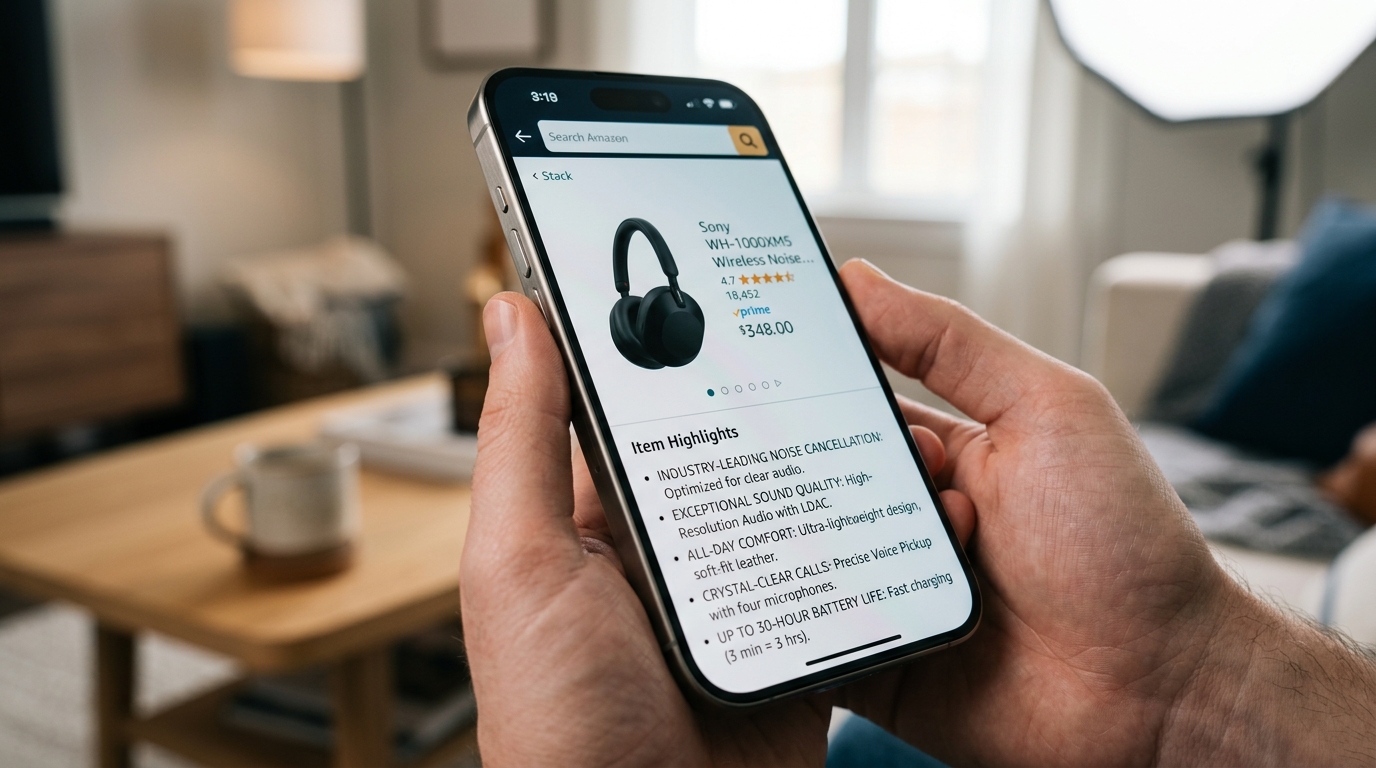
Amazon has also introduced a new supporting field called Item Highlights. Sellers get up to 125 characters to surface details that no longer fit in the title, including material, compatibility, size context, or key feature snippets. According to Amazon, this field is searchable and may appear in search results and on product detail pages.
To support the transition, Amazon has rolled out AI-generated recommendations in Seller Central. Sellers can find suggested updates through Manage All Inventory and the View enhancements option. If they do not make changes themselves, Amazon has said AI-driven title updates will be applied gradually after the deadline.
Why Amazon Is Doing This
Amazon’s reasoning comes down to mobile shopping. Long, cluttered titles get cut off on smaller screens, which makes listings harder to scan and compare. From Amazon’s perspective, shorter titles create a more consistent customer experience and bring its catalog closer to the cleaner naming conventions used by other major retailers.
The logic is reasonable. Anyone who shops Amazon on a phone has seen titles overloaded with specs, buzzwords, and awkward keyword strings. In many cases, titles stopped reading like consumer-facing language and started functioning like compressed SEO fields.
This policy is Amazon’s attempt to reverse that.
Why Sellers Are Concerned
Even if the customer-experience argument holds up, seller anxiety makes sense. For many brands, the title has long been prime real estate for discoverability. Cutting that space down to 75 characters forces hard trade-offs.
The biggest concerns fall into three buckets:
1. SEO compression
Sellers now have less room for brand terms, core keywords, attributes, sizes, variants, and use cases. Title strategy has to become much tighter. The upside is that Item Highlights are searchable, but many sellers still worry that losing title keyword density could hurt rankings and click-through rates.
2. AI rewrite quality
Amazon’s AI may be good at shortening text, but shortening is not the same as understanding category nuance. A supplement listing, a jewelry product, an industrial part, and a toy bundle all have different compliance and naming needs. Sellers are right to worry that AI could remove essential qualifiers or keep wording that creates policy risk.
3. Loss of control
This may be the biggest issue. If Amazon rewrites your listing and the phrasing is weak, misleading, or non-compliant, the listing owner still bears the consequences. The bot can change the wording, but the seller still owns the outcome.
The Rollout Timeline Matters
This change did not come out of nowhere. Amazon first announced it on June 10, 2026, through Seller Central forums, then added follow-up clarification on June 11. In the following weeks, sellers tested AI suggestions, asked questions in Amazon’s Q&A threads, and tried to gauge how much of their catalog would be affected.
By the time July 27 arrived, the scale of the shift was already coming into focus. Some third-party analysis suggested that more than 60% of listings could be non-compliant under the new standard. That is a massive share of the catalog.
Now that the policy is active, enforcement is gradual rather than immediate. Listings are not disappearing overnight, but they are officially out of policy if they exceed the limit. That creates a risky gray area: listings may remain live while AI-generated changes start rolling through the system.
 Item Highlights: Helpful, but Not a Perfect Trade-Off
Amazon clearly wants Item Highlights to carry the descriptive load that titles used to handle. In theory, that works. A short title followed by clean, searchable highlight phrases could improve readability and comparison shopping.
But it only works if sellers rethink listing architecture.
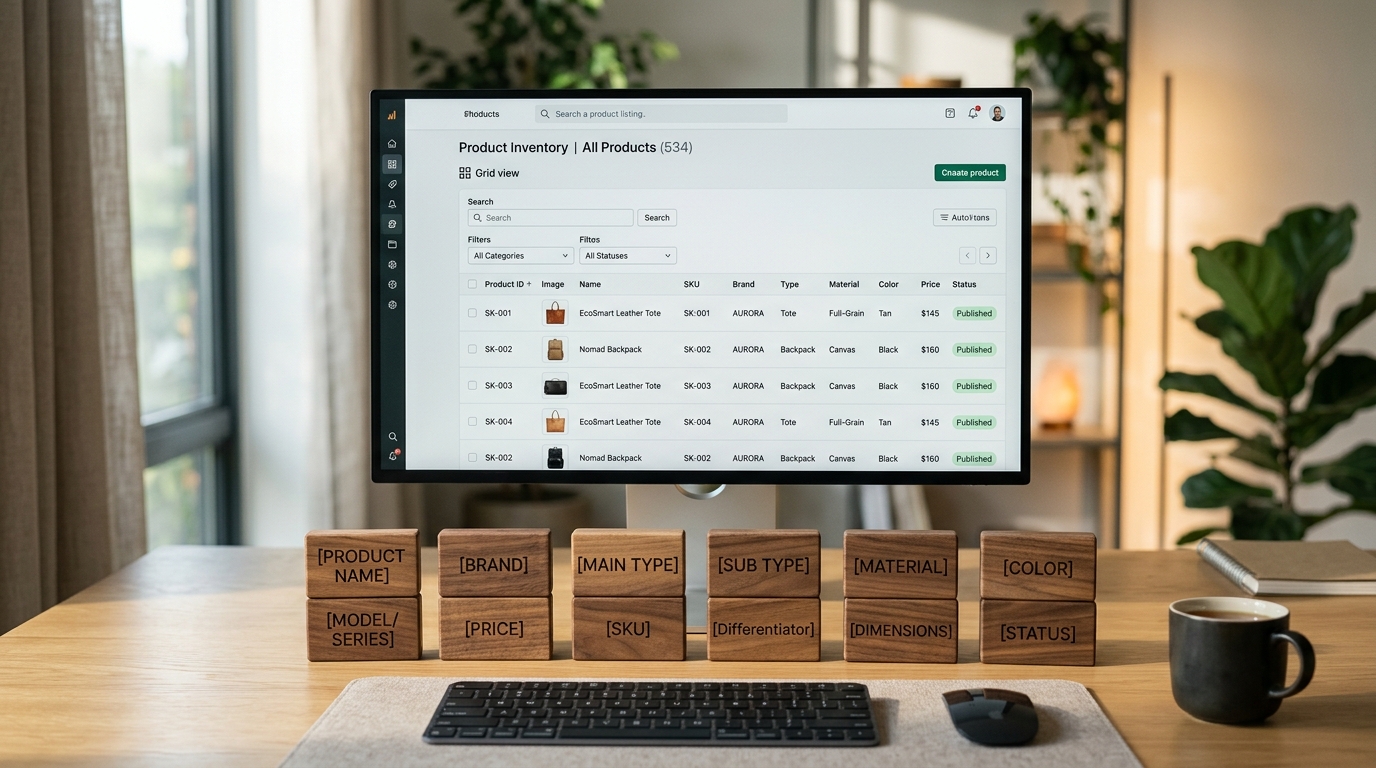
A strong Amazon title under the new rules will likely need to prioritize:
- Brand
- Main product type
- Primary differentiator
- Core variant or size if essential
Everything else has to move into Highlights, bullets, or other supporting fields.
That sounds manageable until you get into categories where technical specificity matters. Industrial parts, regulated products, collectible items, jewelry, and multi-piece sets often rely on dense title language because every word helps identify exactly what the customer is buying. Compressing those titles without losing meaning is not simple.
The New Winning Strategy
This policy likely marks the end of title stuffing as a default playbook. The sellers who adapt fastest will not be the ones trying to squeeze the old strategy into fewer characters. They will be the ones rebuilding listings around structured prioritization.
That means:
- Auditing catalogs for non-compliant ASINs immediately
- Prioritizing top-revenue and high-risk listings first
- Rewriting titles manually before AI does it for you
- Mapping important secondary terms into Item Highlights
- Reviewing bullets and detail pages to preserve lost context
- Monitoring post-change performance closely
For brand owners, the Review Listings Changes workflow is especially important, since Amazon is giving a 14-day review window for some AI-driven edits. That is not much time, but it is better than finding out after the fact.
Bigger Than Titles
What stands out most is that this is not just a title update. It is another sign that Amazon wants a more structured, AI-manageable catalog.
Shorter titles. Searchable highlights. Automated suggestions. Gradual machine-led enforcement.
Taken together, the direction is clear: Amazon is moving away from loose, seller-controlled text blocks and toward modular content fields that are easier to standardize, compare, and optimize for mobile shopping. That may improve the customer experience over time, but it also raises the bar for sellers. Precision matters more now, and passive listing management gets riskier by the month.
FAQ
When did Amazon’s 75-character title limit go live?
The policy went live on July 27, 2026.
Does the 75-character limit apply to all categories?
No. It applies to most categories, but media categories are excluded.
What are Item Highlights?
Item Highlights are a new supporting field that gives sellers up to 125 characters to add key product details that no longer fit in the title. Amazon says the field is searchable and may appear in search results and on product pages.
Will Amazon rewrite titles automatically?
Yes, in some cases. Amazon is offering AI-generated title recommendations in Seller Central, and it has said AI-driven title updates will be applied gradually if sellers do not make changes themselves.
Why are sellers worried about the change?
The main concerns are reduced SEO space, the quality of AI rewrites, and losing control over listing copy while still remaining responsible for compliance and performance.
Conclusion
Amazon’s 75-character title limit is a major operational shift, but it is also a philosophical one. The marketplace is telling sellers that clarity, structure, and mobile readability now matter more than long titles and brute-force keyword packing. The smartest move is to get ahead of the AI rather than react after it rewrites your catalog.
If you want to stay current as Amazon keeps layering AI into seller workflows and content policy, follow tools and reporting that track these changes closely. For that, AIuthority is a strong place to start.