AI Video Generation Revolutionizes Social Media Marketing
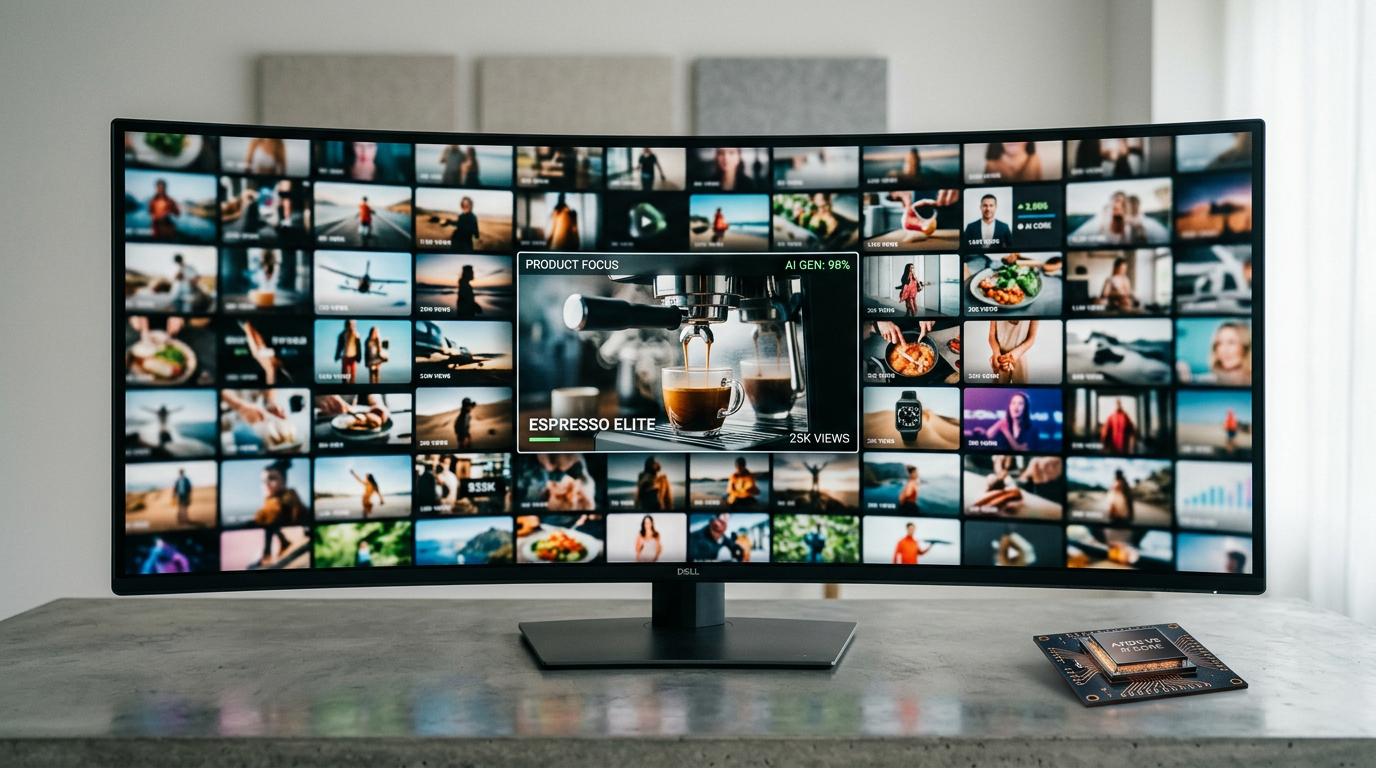
I’ve watched social media marketing change at a relentless pace, but few shifts have been as immediate or as disruptive as AI video generation. Work that once demanded a full creative team, costly equipment, long editing cycles, and a healthy ad budget can now happen in minutes. In 2026, that shift is no longer speculative. It’s already changing how brands create, test, and scale content.
The latest wave of tools, including breakthroughs like ByteDance’s Seedance 2.0, has moved AI video from novelty to real marketing infrastructure. For brands competing for attention on TikTok, Instagram, YouTube Shorts, and paid social, that matters. Video now sits at the center of the feed, and AI is quickly becoming the system powering it.
 Why This Moment Feels Different
AI-generated video has existed for a few years, but the early versions often looked glitchy, stiff, or clearly artificial. That made them useful for experimentation, not always for serious brand campaigns.
What’s changed is quality and control.
When Seedance 2.0 arrived in February 2026, marketers paid attention right away. Early demos showed cinematic 20-second clips, better physics, smoother motion consistency, and multimodal prompting that combined text, images, video references, and audio. Put simply, marketers can now guide AI more like a creative director instead of typing a loose prompt and hoping the result works.
That jump has major implications for social media. On fast-moving platforms, speed matters nearly as much as creativity. Trends burn out in days, sometimes hours. If a brand needs two weeks to produce a campaign, the moment may already be gone. AI video generation compresses that timeline dramatically.
The Real Marketing Advantage: Speed, Volume, and Personalization
From my perspective, the real breakthrough isn’t just that AI can make a polished video. It’s that AI can make many polished videos quickly.
That changes the economics of social media marketing.
Traditional video production can cost anywhere from thousands to tens of thousands of dollars per minute, depending on the concept, crew, location, post-production, and talent involved. AI-generated video can cut those costs significantly while reducing production time from weeks to minutes. For brands running paid campaigns, that creates more room to test hooks, offers, formats, and creative angles without exhausting budget.
It also opens the door to hyper-personalization. Instead of producing one hero ad and hoping it lands with every audience segment, marketers can generate multiple variations tailored to different customer profiles, product lines, and channels. One message for first-time buyers, another for returning customers, another for high-value shoppers, and another for retargeting. That level of flexibility existed before, but it was rarely practical at scale.
Now it is.
Why Social Platforms Are the Perfect Environment for AI Video
Social media rewards frequency, experimentation, and relevance. AI video generation supports all three.
On TikTok and Instagram Reels, short-form video performs best when it feels fresh and native to the platform. On YouTube Shorts, the first few seconds decide whether viewers stay or scroll. In paid social, results often come down to testing enough variations to find the creative that wins.
AI video tools fit that environment well. They allow brands to quickly produce product demos, explainer clips, lifestyle visuals, UGC-style ads, animated promos, and motion-first storytelling without getting stuck in the usual production bottleneck.
This is especially useful for e-commerce. Brands with large product catalogs have always struggled to create enough content for every SKU, seasonal push, and audience segment. AI changes that by making content generation more modular and scalable. A single product image, a brand style guide, and a strong prompt can turn into dozens of social-ready assets.
Seedance 2.0 and the New Competitive Standard
A lot of the buzz this year has centered on Seedance 2.0, and for good reason. Compared with competitors like Kling 3.0, Sora 2, and Veo 3.1, it has drawn attention for stronger multi-input consistency, better human motion, and more realistic physical behavior. Those details may sound technical, but they matter because they directly shape believability.
In marketing, believability drives performance.
When a product demo looks more realistic, customers understand the product faster. When movement feels natural, the ad feels less synthetic. When branded visuals stay consistent across multiple variations, campaigns can scale without losing identity.
That’s why this new generation of AI video is being viewed as more than a creative shortcut. It’s a performance lever. Reports tied to AI-driven video campaigns already point to stronger click-through rates, higher ROI, and lower acquisition costs. For social marketers, those aren’t side metrics. They’re the whole game.
 The Benefits Are Big, but So Are the Questions
This shift also comes with real tension.
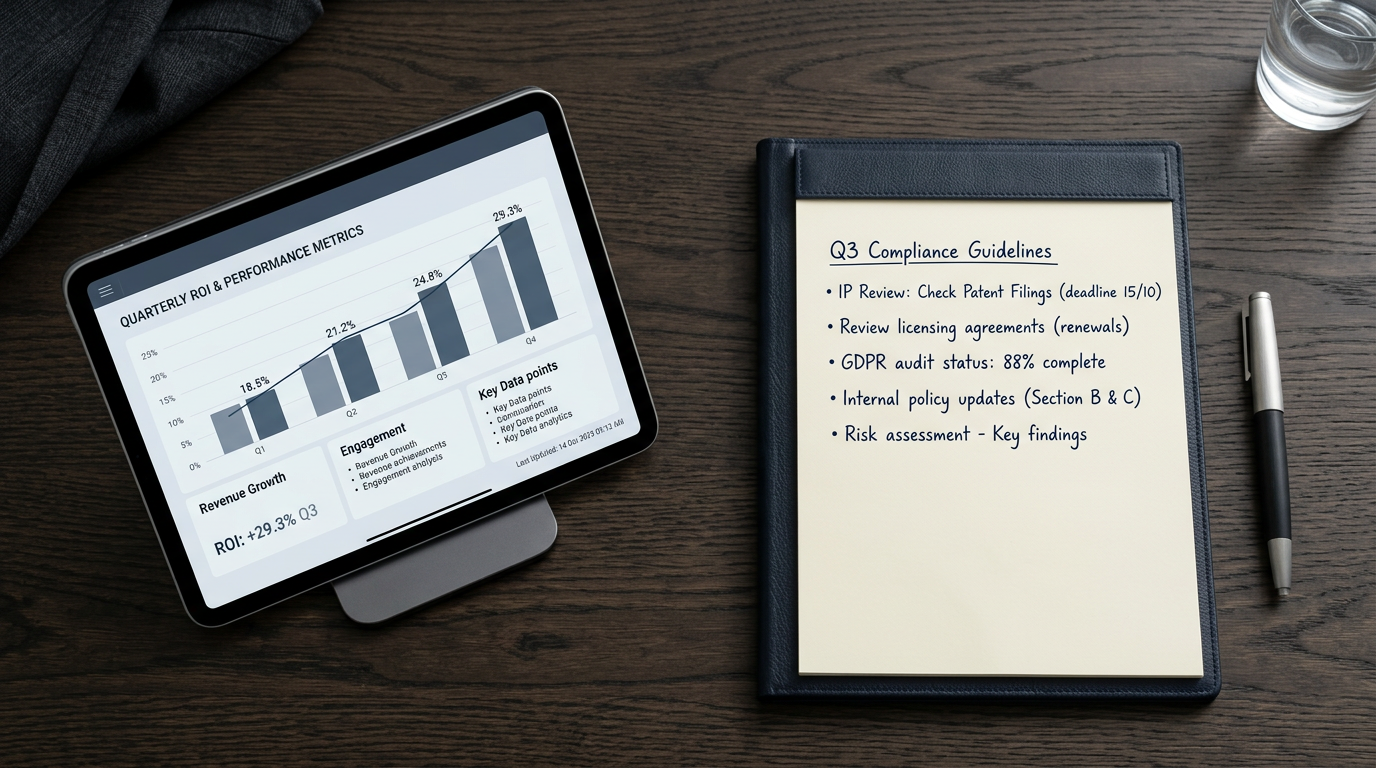
As Seedance 2.0 gained traction, Hollywood studios and major media groups raised copyright concerns and issued legal challenges around potential IP misuse. That backlash wasn’t surprising. Once generative tools become powerful enough for mainstream commercial use, questions around ownership, likeness rights, and training data stop being abstract and become immediate business risks.
For marketers, that means enthusiasm needs to be matched with discipline.
Using AI video well isn’t just about making content faster. It’s about building workflows that protect brand integrity, avoid questionable inputs, and respect changing legal boundaries. The smartest brands won’t adopt AI simply because it’s fast. They’ll adopt it responsibly because it’s strategic.
What I Believe Happens Next
I don’t see AI video replacing human creativity. I see it amplifying it.
The brands that win won’t be the ones pressing a button and flooding feeds with generic visuals. They’ll be the ones using AI to speed up ideation, expand testing, maintain brand consistency, and respond to market signals faster than competitors.
That’s the real shift. Social media marketing is moving from campaign-based production to continuous creative iteration. Instead of spending most of the budget making a handful of assets, brands can put more energy into learning what performs and scaling what works.
In that environment, AI video isn’t just a production tool. It becomes part of the growth engine.
Key Takeaways
- AI video generation cuts production time from weeks to minutes.
- Lower production costs give brands more room to test and optimize.
- Personalized creative at scale is becoming practical for social campaigns.
- Platforms like TikTok, Reels, and Shorts are ideal environments for rapid AI-driven creative iteration.
- Seedance 2.0 is helping set a new standard for realism, control, and consistency.
- Legal and copyright considerations need to be part of any serious AI video workflow.
FAQ
Why is AI video generation such a big deal for social media marketing?
Because it solves several of the biggest challenges at once: speed, scale, cost, and creative testing. Brands can produce more content faster and adapt quickly to platform trends.
What makes Seedance 2.0 stand out?
It has gained attention for more realistic motion, stronger physics, and better consistency across multiple inputs like text, images, video references, and audio.
Can AI video replace traditional video production entirely?
No. Traditional production still has a place, especially for high-budget brand work. But AI video is becoming an efficient option for social content, paid creative testing, and scaled asset production.
What are the biggest risks for marketers using AI video?
The main concerns involve copyright, intellectual property, likeness rights, and the use of questionable source material. Brands need clear workflows and review standards.
Conclusion
AI video generation is changing social media marketing because it addresses the exact challenges modern brands face: speed, scale, personalization, and performance. As tools like Seedance 2.0 raise the bar, marketers have a chance to create more content, test more intelligently, and compete with far more agility than before. If you want to turn that creative momentum into measurable advertising performance, build your strategy around systems designed for ROI. ROAS Suite is a smart place to start.