AI Video Generation and Editing Tools Shape the Future of Digital Content
I’ve watched AI video tools go from odd internet experiments to serious creative systems in a remarkably short time. A few years ago, text-to-video demos felt more like curiosities than practical tools. The outputs were awkward, distorted, and inconsistent. By 2026, that’s no longer the story. AI video generation and editing tools have moved well beyond experimentation and are becoming central to digital content production.
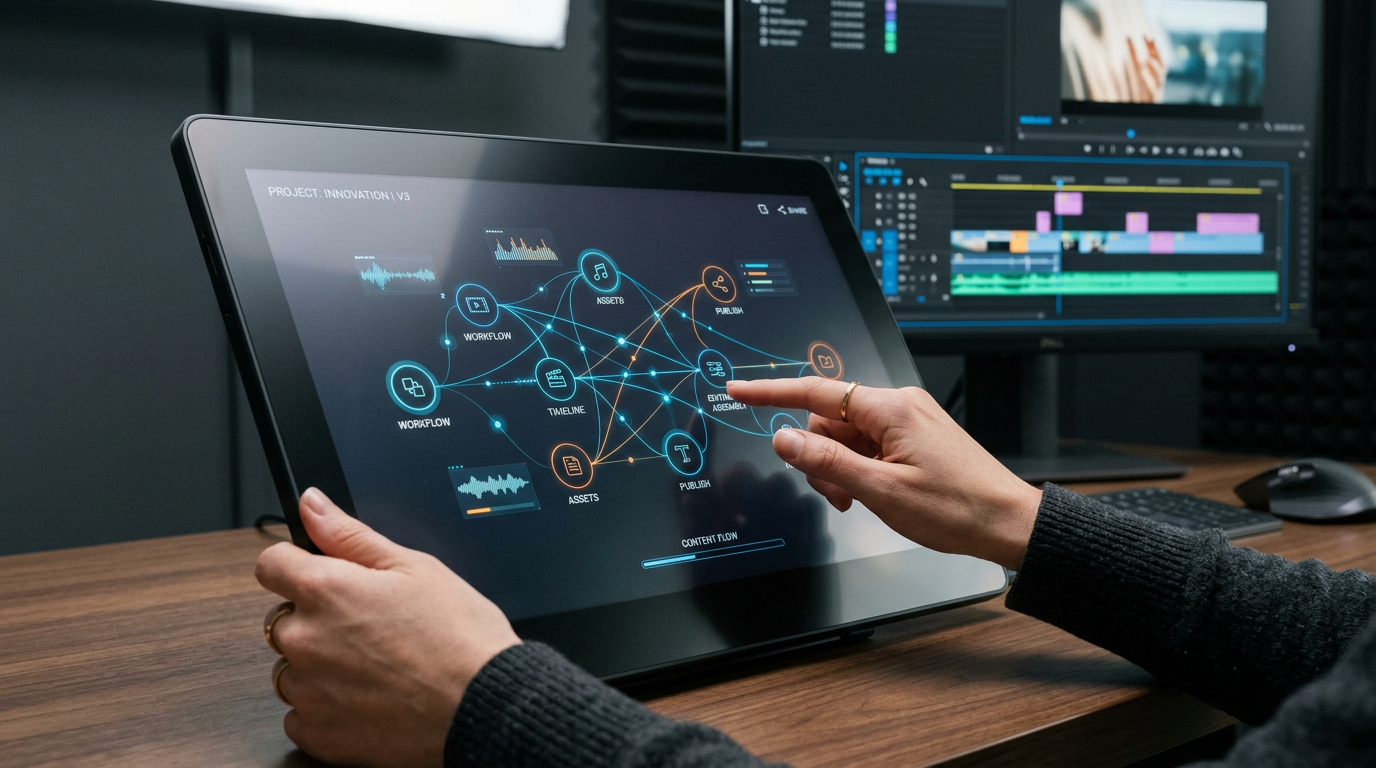
What stands out most isn’t only the jump in visual quality. It’s how quickly these tools are compressing the production process into something faster and far more accessible. Instead of switching between separate platforms for scripting, visuals, editing, captions, and social formatting, creators can now handle much of that workflow in one place.
 From Hype to Practical Production
The pace of change has been hard to ignore. Early advances from tools like Runway and Stability AI showed that AI-generated video was possible, even if the results were short and rough around the edges. Then came a newer wave of systems—OpenAI’s Sora, Luma, Pika, Kling, and Google’s Veo previews—that pushed realism, motion consistency, and scene control much further than most people expected.
Just as significant, the market didn’t stop at generation. Editing became the real force multiplier.
That’s where platforms like CapCut changed the conversation. Its evolution from a social-first editing app into an AI-powered content engine reflects a broader shift across the industry. Marketers and creators don’t just want a tool that turns prompts into clips. They want a full workflow: script generation, text-to-video, auto-captions, background removal, color correction, timeline editing, and fast publishing formats. That combination of generation and editing is what makes AI video genuinely useful at scale.
Why This Matters for Creators and Brands
Video already drives engagement across social media, paid advertising, ecommerce, education, and brand storytelling. The challenge has always been the same: cost, time, and production complexity. Traditional video creation usually demands planning, equipment, editing skills, and multiple rounds of revision.
AI changes that equation in a meaningful way.
With the right tools, teams can produce more video variations, test more creative angles, and react to trends much faster than before. Some reports suggest production can become up to 10 times faster, with significant cost savings. For small businesses and solo creators, that’s more than convenience—it’s a real competitive edge.
I see three core benefits driving adoption:
1. Speed
AI can automate repetitive tasks like subtitles, trimming, transitions, resizing, and scene generation. That shortens turnaround times for campaigns and content calendars.
2. Scale
Brands can create multiple versions of the same message for different audiences, platforms, or A/B tests without rebuilding every asset from the ground up.
3. Accessibility
What once required a studio setup is now increasingly available through affordable subscriptions or even free tiers. That lowers the barrier for independent creators and lean marketing teams.
The Key Players Defining the Space
Several platforms are shaping this market, each with its own strengths.
CapCut stands out for accessibility and its all-in-one workflow. It’s especially useful for marketers and short-form creators who want to move quickly from idea to polished social video.
Runway remains a major player for creative professionals, offering cinematic tools and strong editing features alongside video generation.
OpenAI Sora has raised expectations for narrative coherence and realism, showing what premium AI video can look like for storytelling and campaigns.
Kling AI has gained traction with longer clips, stronger character consistency, and more realistic motion, making it a compelling option for ad-style content.
Pika, Luma, Seedance, and Google Veo are also pushing the space forward as the market becomes more sophisticated month by month.
This level of competition is healthy. It’s moving the industry past gimmicks and toward practical, end-to-end content creation.
The Real Shift: AI as Creative Infrastructure
The biggest change isn’t simply that AI can generate impressive clips. It’s that AI is becoming part of the creative infrastructure.
We’re moving toward systems that support ideation, production, editing, optimization, and even performance-based iteration. The future isn’t just “make me a video.” It’s “help me create the right video, adapt it for every channel, and improve it based on results.”
That has major implications for marketers.
Instead of spending most of their time coordinating production logistics, teams can focus more on messaging, hooks, offers, and audience fit. Human creativity doesn’t disappear in this process—it becomes more strategic. The best results still depend on taste, storytelling, brand discipline, and oversight.
 Challenges We Can’t Ignore
Even with all this momentum, AI video isn’t frictionless.
There are legitimate concerns around copyright, training data, and ownership. Lawsuits from major studios make it clear that the legal framework is still catching up. Terms of service matter too, especially when creators upload original assets into free or low-cost platforms.
There’s also the quality question. Faster production can easily turn into lower-quality production if brands lean too heavily on automation. We’ve already seen the rise of “AI slop”—content that may be efficient to produce but feels creatively empty. The easier creation becomes, the more important human judgment gets.
So while the outlook is promising, the teams that win will be the ones that use AI with intention. These tools can accelerate output, but they can’t replace brand clarity or authentic storytelling.
What the Future Looks Like
From where I sit, AI video generation and editing are headed toward even deeper integration. Predictive editing, style matching, dynamic scene adjustments, and personalized content pipelines all feel close. We’re likely to see tools that can generate a concept, turn it into a finished video, optimize it for multiple channels, and recommend improvements based on performance data.
That’s a major shift for digital content.
It means more creators can compete. It means brands can test faster. It means higher production quality becomes more accessible. And it means the line between creative development and media execution keeps getting thinner.
FAQ
What are AI video generation and editing tools?
They are platforms that use artificial intelligence to create, edit, enhance, and optimize video content. Many now combine features like script generation, text-to-video, captions, background removal, resizing, and publishing tools in one workflow.
Why are these tools important for brands?
They help brands produce more content in less time, reduce production costs, and test multiple creative variations across channels without rebuilding every asset manually.
Which AI video tools are leading the market?
CapCut, Runway, OpenAI Sora, Kling AI, Pika, Luma, Seedance, and Google Veo are among the most notable platforms shaping the space.
Can AI video tools replace human creators?
No. They can speed up production and automate repetitive work, but strong creative decisions still depend on human judgment, storytelling, and brand direction.
What are the biggest risks with AI video?
The main concerns include copyright, ownership, training data issues, and the risk of producing low-quality or generic content when automation is used without enough oversight.
Conclusion
AI video generation and editing tools are shaping the future of digital content because they solve a real problem: the demand for more video, produced faster, without losing strategic flexibility. The technology keeps improving, workflows are getting smoother, and the opportunity for brands is expanding quickly. For teams looking to pair AI-powered creative production with stronger marketing performance and smarter optimization, ROAS Suite is a natural next step.