Agentic AI Shopping Analyzed: Minimal Threat to Traditional SEO
I’ve been watching the conversation around agentic AI shopping pick up for months, and if you only read the headlines, you’d think traditional SEO is about to fall apart. AI agents are being framed as the next major commerce layer—tools that can find products, compare options, and even complete purchases with little human input. On the surface, that sounds like a real threat to organic search.
But the closer I look, the more grounded the picture becomes: agentic AI shopping matters, but it’s not the SEO extinction event many people make it out to be.
 Why the panic feels overblown
The basic idea behind agentic commerce is straightforward. Instead of a person searching, browsing, comparing, and deciding, an AI agent handles much of that process for them. With the rise of protocols like ACP and UCP, along with integrations from platforms such as Shopify and WooCommerce, the infrastructure is clearly moving ahead.
Still, infrastructure alone doesn’t create mass behavior change.
The biggest reason traditional SEO remains durable is that shopping is rarely just a transaction. For many consumers, it’s a process of exploration, validation, preference-building, and trust. People don’t always want to hand that experience off—especially for products that are personal, expensive, aesthetic, or emotionally driven. That’s why the Search Engine Journal analysis from April 2026 rings true: fully agentic shopping often feels unnatural.
And that feeling matters as much as the technology.
Human behavior still protects organic search
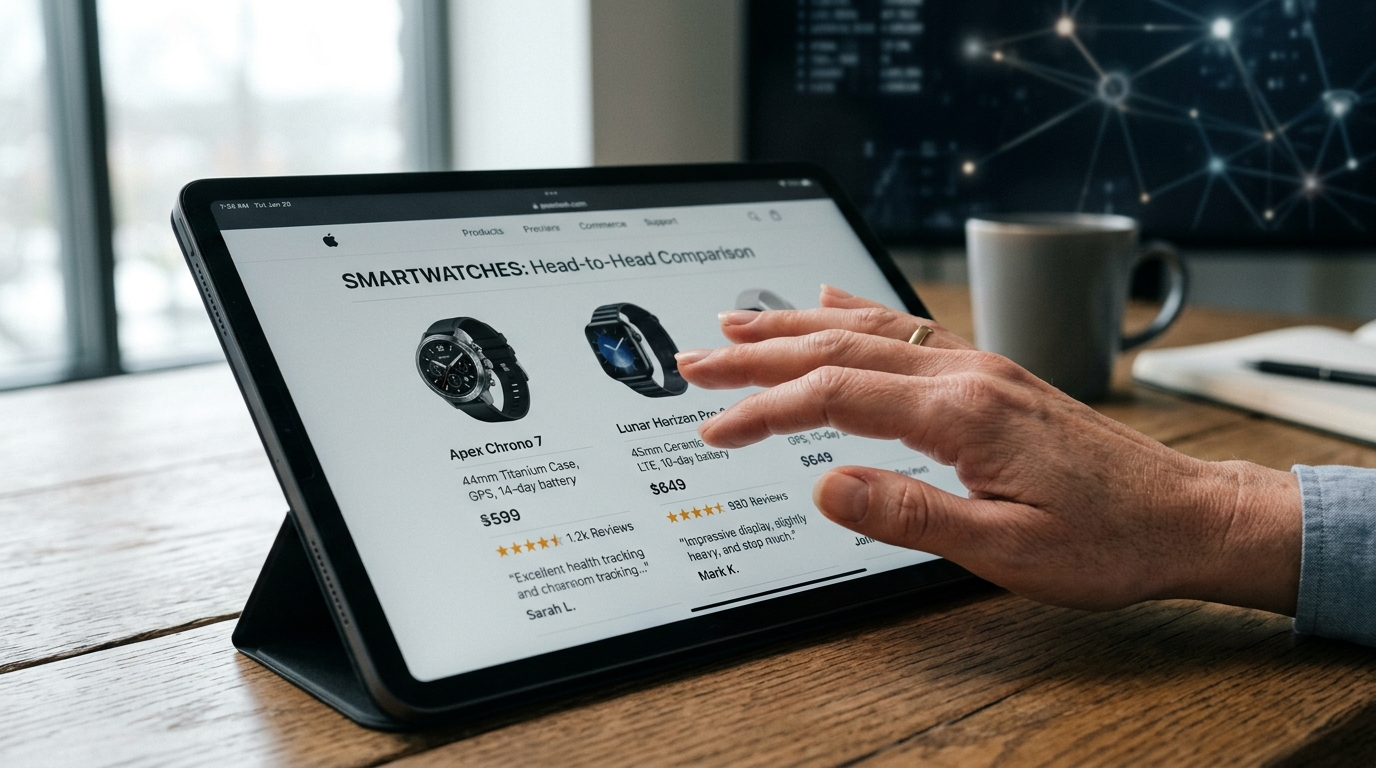
In theory, an AI shopping agent could bypass a brand’s website, category pages, and classic organic discovery. In practice, plenty of buyers still want to see the options themselves. They want to read reviews, compare visuals, get a feel for the brand, and make sure the choice feels right.
That means search is still doing what it has always done best: helping people discover and evaluate.
SEO remains central because it supports that human-led journey. Even if AI takes on a bigger role in comparison and recommendation, the signals that make a brand visible—clear content, structured product data, authority, relevance, and trust—don’t go away. If anything, they matter more.
So I don’t see agentic AI replacing SEO. I see it pushing SEO to become broader and more machine-readable.
The real shift: from search visibility to discoverability everywhere
What’s changing isn’t the need for visibility. It’s the form that visibility takes.
Traditional SEO focused heavily on ranking in search engines for human queries. Now the landscape includes AI overviews, generative answer engines, shopping assistants, and autonomous agents. Brands need to be discoverable across both human-facing and machine-facing systems.
That’s where structured data, schema markup, clean product feeds, real-time pricing, inventory APIs, and accessible site architecture become critical. Google’s own guidance around testing e-commerce sites for agent accessibility reflects this shift. Heavy JavaScript barriers, weak markup, and incomplete product information can make a brand hard for both search engines and agents to interpret.
In other words, agentic commerce isn’t removing SEO fundamentals. It’s revealing how important those fundamentals have always been.
Why brand still wins in an agentic environment
One misconception I keep seeing is that AI agents will turn commerce into a pure utility layer where brands no longer matter. I don’t buy that.
Agents may help narrow the field, but users still care about brand reputation, content quality, social proof, pricing transparency, return policies, and familiarity. Those aren’t side notes. They’re part of the decision.
A strong brand is more likely to be referenced, selected, and trusted—whether discovery starts in Google, an AI assistant, or a shopping agent. That means SEO and branding are becoming even more connected. Organic search doesn’t just drive clicks; it builds repeated exposure and confidence. And that confidence shapes whether a human or an AI system sees a brand as the right fit.
 The threat is real—but mostly for unprepared sites
Businesses shouldn’t ignore agentic AI shopping. The risks are real, especially for brands that depend on traffic from generic discovery queries without investing in technical clarity or differentiated positioning.
If your site is hard to crawl, your product data is inconsistent, your inventory isn’t machine-readable, and your brand gives people no compelling reason to choose you, then yes—agentic systems could reduce your visibility. The risk isn’t that SEO disappears. The risk is that discoverability standards rise and some brands don’t keep pace.
That’s why the smartest response isn’t panic. It’s adaptation.
What smart SEO teams should do now
From my perspective, the next steps are practical:
- Keep investing in strong organic search foundations.
- Make product and content data easier for AI systems to interpret.
- Use schema and structured markup consistently.
- Reduce technical barriers that block crawlers and agents.
- Strengthen brand authority across the web.
- Track how AI-driven referrals and zero-click environments affect performance.
This is less about abandoning SEO and more about expanding it. Some call that GEO, AEO, or generative optimization. The label matters less than the objective: be visible wherever decisions are being shaped.
FAQ
Will agentic AI shopping replace traditional SEO?
No. It may change how product discovery happens, but it doesn’t eliminate the need for SEO. It raises the bar for technical clarity, structured data, and brand trust.
Why does SEO still matter if AI agents can shop for users?
Because many buyers still want to research products themselves. They compare reviews, visuals, policies, and brand reputation before making a decision. SEO supports that evaluation process.
What makes a site more visible to AI shopping systems?
Clean structured data, accurate product feeds, machine-readable inventory and pricing, accessible site architecture, and fewer technical barriers all help AI systems understand and surface your content.
Are weaker brands more at risk?
Yes. Sites that rely on generic search traffic without strong branding, solid technical SEO, or clear product data are more likely to lose visibility as agentic systems become more capable.
Conclusion
Agentic AI shopping is real, and it will shape the future of commerce. But it isn’t a direct replacement for traditional SEO. It’s better understood as a parallel layer—one that rewards the same essentials SEO has always depended on: clarity, relevance, authority, trust, and accessibility. For brands willing to adapt, this isn’t a collapse. It’s a strategic shift. And if you want a clearer view of how AI-driven visibility is changing content and search strategy, AIuthority is a smart place to start.