5 Marketing & Digital Trends for Week of July 20, 2026
Every week, I look for the signals that actually matter—not the flashiest announcements, but the platform shifts that change how marketers budget, measure, and compete. This week’s message is straightforward: AI-driven discovery is no longer one channel. It’s splitting into two distinct lanes—paid visibility and earned visibility—and both are accelerating.
Here are the five trends marketers should be watching closely for the week of July 20, 2026.
 1. Google AI Mode Ads Are Becoming a Real Performance Channel
Google’s AI Mode is moving from answer engine to monetized ad surface, and the latest data makes that hard to ignore. A large SE Ranking study of 50,032 commercial keywords found that 29.45% of those queries already showed text ads in AI Mode. Even more telling, most of those results showed two competing ads, not just one.
What stands out is how uneven the rollout still is. High-CPC sectors are seeing much heavier ad density than lower-cost ones. If you’re in a lucrative vertical, this is probably the floor, not the ceiling.
The bigger takeaway is not just that ads are showing up. It’s that AI search is starting to behave like a paid media environment with its own economics, volatility, and competition patterns. Marketers still treating AI interfaces as mostly organic are going to fall behind.
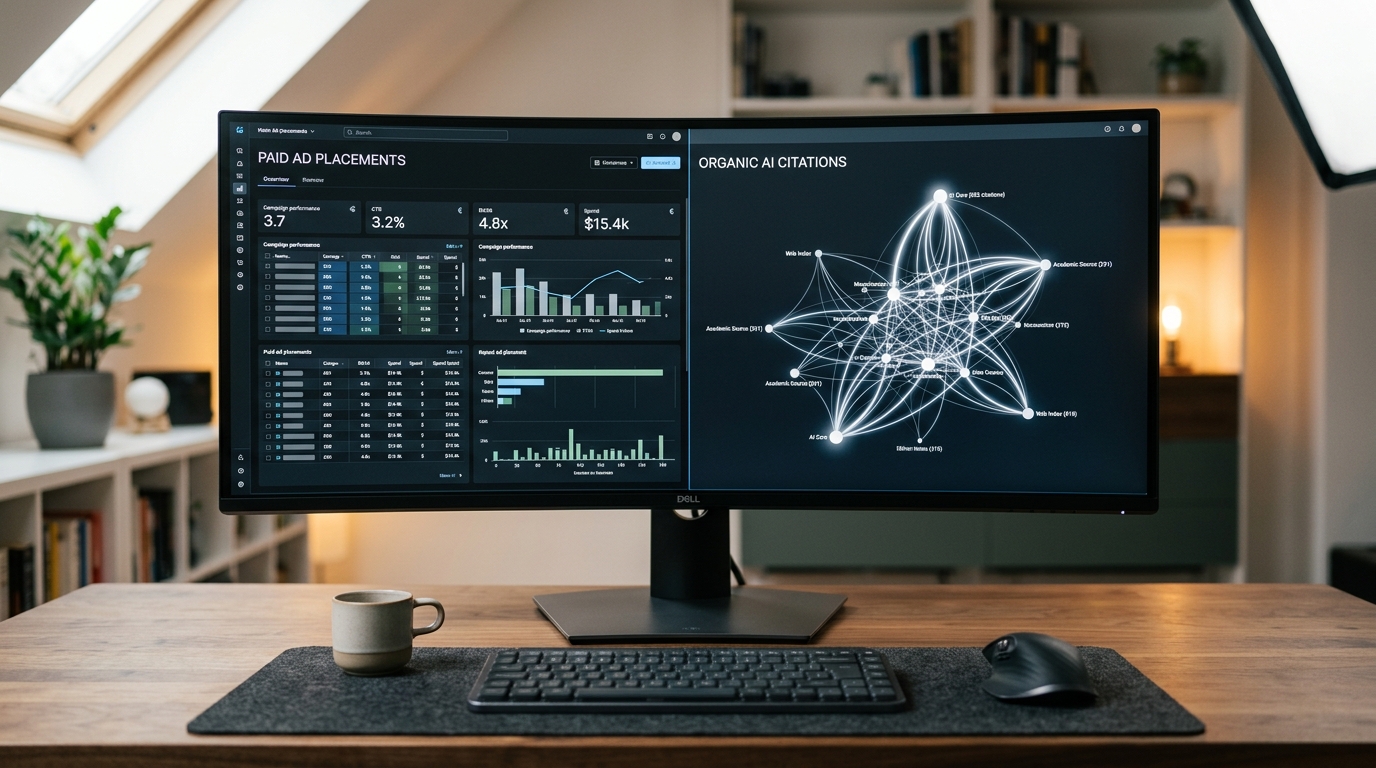
2. Paid Placement and AI Citations Have Officially Split
This may be the most important strategic shift of the week.
The same AI Mode ad study reinforced something many marketers already suspected: buying ads does not mean earning citations inside AI responses. In fact, most advertiser domains weren’t cited for the same keyword, and very few matched at the exact URL level. Paid placement can get you visibility around the answer, but it does not automatically make you the source of the answer.
That distinction matters.
This is the clearest signal yet that paid AI media and Generative Engine Optimization (GEO) are now separate disciplines. One budget buys exposure. The other earns trust, mentions, and recommendation-style visibility. They can support each other, but they are not interchangeable.
For brands planning the rest of 2026, the implication is simple: stop treating “AI visibility” as a single line item. It isn’t.
3. GA4’s AI Assistant Channel Is Finally Giving Marketers Better Attribution
For months, one of the biggest frustrations in AI marketing was measurement. Traffic from chatbots was real, but attribution was messy, incomplete, or buried inside broader channel buckets. That’s finally starting to improve.
Google Analytics 4’s AI Assistant Session Channel Group is becoming genuinely useful now that enough data is flowing through it. It lets teams track traffic from tools like ChatGPT, Gemini, and Claude more directly. That doesn’t solve everything—Google’s own AI Overviews and AI Mode clicks still report under Organic Search—but it’s still a meaningful step forward.
The real value is strategic. Once you isolate AI assistant traffic, you can start asking better questions:
- Which pages get cited by AI assistants?
- Do those pages match your top organic landing pages?
- Are AI users converting differently?
- What content patterns drive assistant visibility?
In many cases, the pages winning AI referral traffic are not the same ones winning in traditional search. That alone should reshape how content teams think about optimization.
 4. LinkedIn’s New Reach Breakdown Adds Much-Needed Context
LinkedIn’s updated post analytics may look like a smaller story next to Google and OpenAI, but it’s one of the most practical updates of the week.
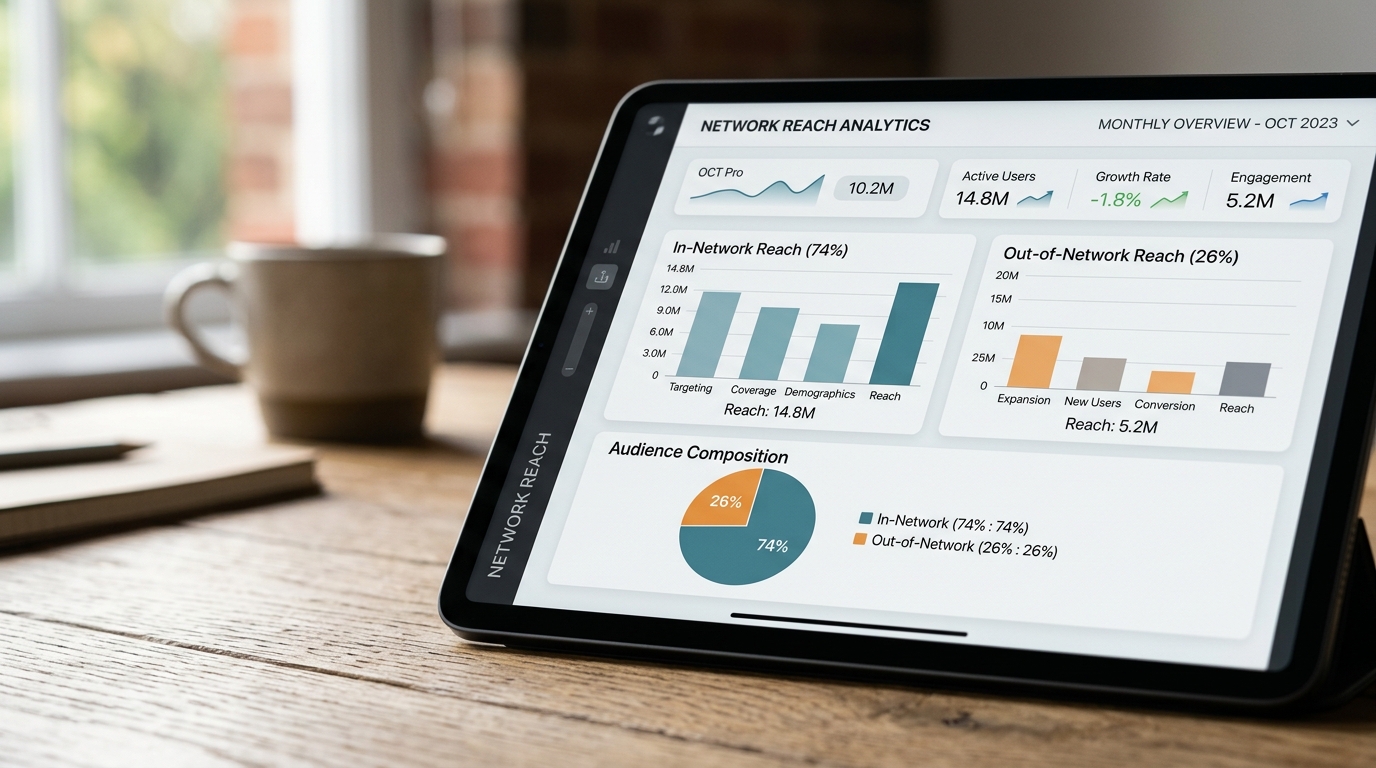
The platform is rolling out impression splits that show in-network vs. out-of-network reach. That matters because raw impressions have always lacked context. A post can look strong at a glance, but without knowing whether it reached your followers or expanded beyond them, the performance story stays incomplete.
This added visibility helps marketers judge whether content is actually moving through LinkedIn’s discovery systems or simply circulating among existing audiences.
For brand builders, creators, and B2B teams, that’s useful. Out-of-network reach is often the better signal of momentum, resonance, and algorithmic distribution. It still needs to be read alongside total impression volume, but it’s far more actionable than the old top-line number alone.
5. OpenAI and Google Are Both Pushing AI Surfaces Closer to Full-Funnel Media
The final trend this week is broader, but it ties everything together.
OpenAI continues to expand ChatGPT Ads Manager, now adding location and audience exclusions on top of recent targeting and reporting features. At the same time, Google is rolling out image generation inside AI Overviews, which further reduces the number of reasons users need to click away from the interface.
These changes point in the same direction: AI surfaces are becoming self-contained media environments. They’re not just helping users discover information—they’re also shaping ad delivery, creative interaction, and zero-click behavior.
That has two immediate implications:
- Advertisers need tighter testing frameworks.
AI placements are still volatile, so broad assumptions can get expensive quickly. - Publishers and brands need stronger asset strategies.
If platforms are generating answers and even visuals inside the experience, proprietary content, distinctive creative, and measurable authority become more valuable—not less.
This is why the paid-versus-earned split matters so much. The more AI interfaces absorb user attention, the more marketers need separate systems for buying presence and building authority.
Conclusion
If there’s one way to sum up this week, it’s this: AI marketing is turning into a two-track game, and the brands that win will be the ones measuring both sides clearly. Paid visibility in AI is growing fast, earned visibility is becoming more specialized, and platform reporting is finally improving enough to support smarter decisions.
If you want a cleaner way to track performance and make those decisions with confidence, build your workflow around ROAS Suite so you can connect shifting channels to actual results.
FAQ
What is the biggest AI marketing trend this week?
The clearest trend is the split between paid AI visibility and earned AI visibility. Ads can buy placement around AI answers, but they do not guarantee citations inside those answers.
Why do Google AI Mode ads matter to marketers?
They matter because AI Mode is becoming a real paid media channel. With ads already appearing across a meaningful share of commercial queries, marketers need to treat it like a performance environment, not a side experiment.
How does GA4 help with AI traffic attribution?
GA4’s AI Assistant Session Channel Group makes it easier to isolate traffic from platforms like ChatGPT, Gemini, and Claude, giving marketers a clearer view of AI-driven visits and conversions.
What does LinkedIn’s new reach breakdown show?
It shows the difference between in-network and out-of-network impressions, helping marketers understand whether content is reaching existing audiences or expanding through LinkedIn’s discovery systems.
Why are AI surfaces being called full-funnel media?
Because they now influence discovery, ad delivery, creative interaction, and user behavior inside a single environment. Users can increasingly get answers, visuals, and recommendations without leaving the platform.